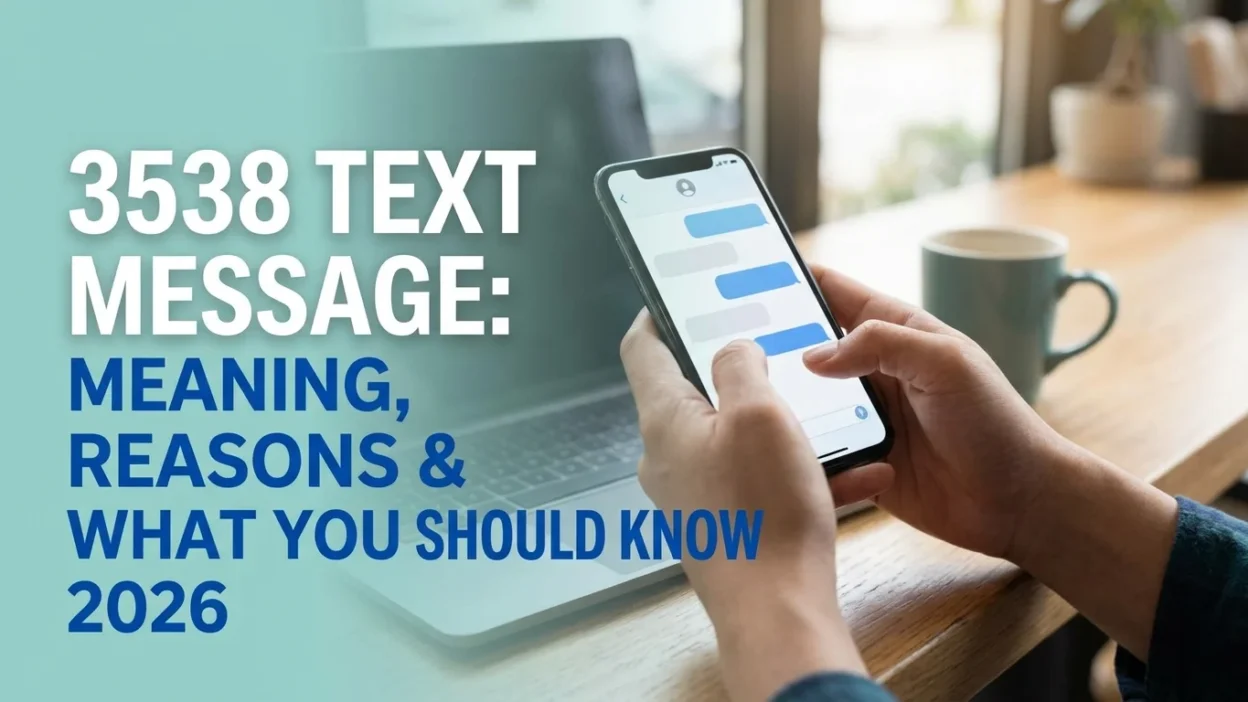
You glance at your phone and see a text from “3538.” Your first thought might be confusion. Who is this? Did someone get a new number? Is this spam?
These questions are entirely reasonable. In today’s digital world, receiving messages from unfamiliar five- or six-digit numbers has become increasingly common. Understanding what a 3538 text message actually means can save you from unnecessary worry and help you manage your communications more effectively.
Unlike the 10-digit numbers you see from friends and family, 3538 falls into a category known as a short code. These abbreviated numbers serve a specific purpose in modern telecommunications. Let’s explore exactly what this means and why it matters for your daily digital life.
What Is a 3538 Text Message?
A 3538 text message is an automated SMS sent through a short code system. Short codes are five- to six-digit numbers that businesses and organizations use to send high-volume text messages to consumers. They’re significantly shorter than standard phone numbers, making them easier to remember and type.
The key distinction here is the type of communication. Messages from 3538 are typically application-to-person (A2P) communications rather than standard person-to-person (P2P) texts. This means a software system or automated platform sends the message, not an individual sitting with a phone.
Think of it this way: when your friend texts you, that’s P2P. When your bank sends you a fraud alert, that’s A2P. The 3538 short code falls firmly into the latter category.
How Short Codes Work in Practice
Understanding the mechanics helps demystify the experience. Here’s what happens behind the scenes when you receive a 3538 text message.
Companies lease these short codes from wireless carriers to create reliable communication channels with their customers. The process is straightforward. You might sign up for notifications, make a purchase, or initiate a password reset. The company’s system then uses the short code to send you an automated response.
This system exists because standard phone numbers simply cannot handle the volume businesses need. A single company might send millions of texts daily. Short codes are specifically designed to process this scale efficiently and reliably. They ensure messages arrive promptly, which is crucial for time-sensitive communications like verification codes.
Common Reasons You’re Receiving Texts from 3538
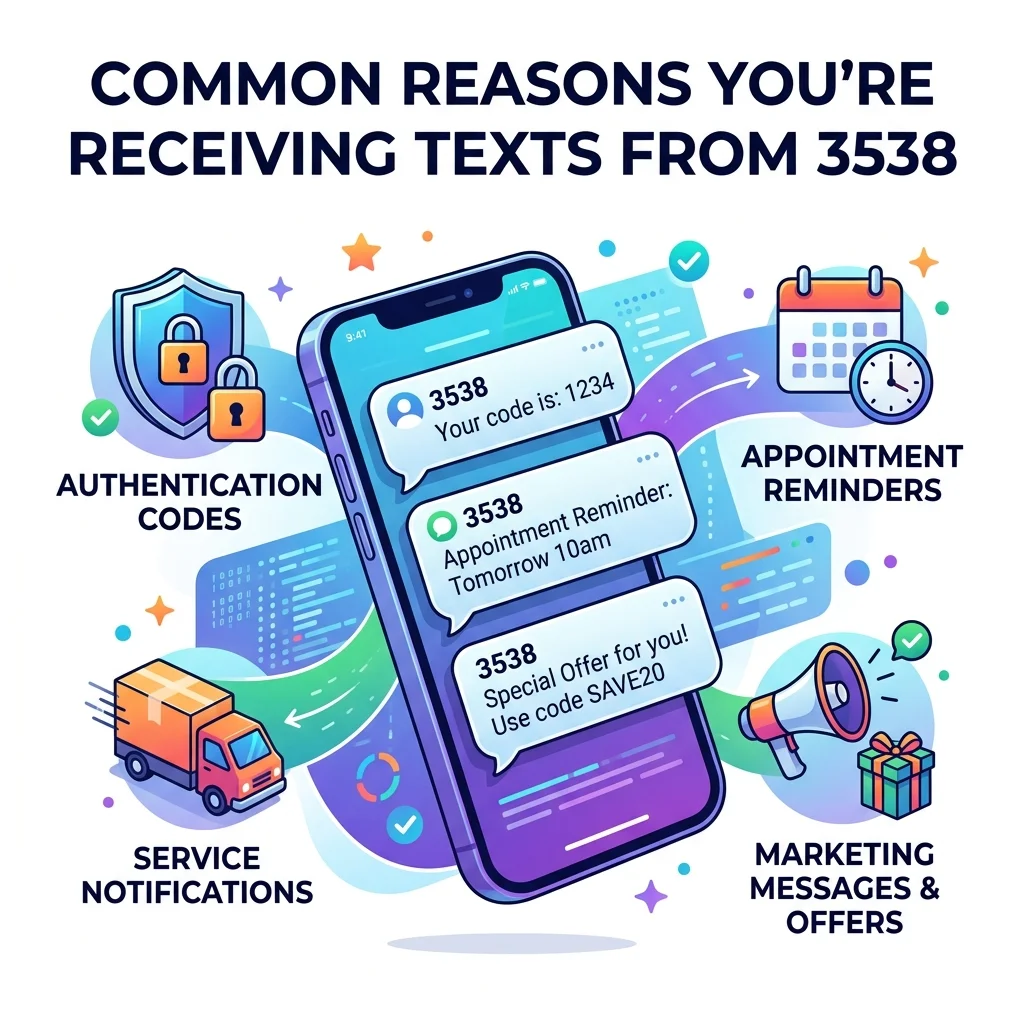
The appearance of 3538 on your phone typically indicates you’re part of an SMS notification program. Several scenarios explain why this might happen.
Two-Factor Authentication (2FA) and Account Security
This is perhaps the most common reason. When you attempt to log into an online account or verify a financial transaction, the service often sends a time-sensitive code to your phone. You then enter this code to confirm your identity. The 3538 short code frequently handles these verification requests.
If you recently tried to log into an account, recover a password, or make an online purchase, the text you received likely contains your verification code. These messages are usually brief and contain only the code plus minimal instructions.
Marketing Communications and Promotional Offers
Many companies use short codes to send marketing messages to customers who have opted in. This might include special offers, new product announcements, or exclusive discounts. If you’ve ever signed up for store loyalty programs or subscribed to brand updates, you may receive promotional texts from short codes like 3538.
These messages are often more detailed than verification texts. They might include links to websites, specific promotional codes, or calls to action encouraging you to visit a store or make a purchase.
Service Notifications and Alerts
Businesses also use short codes for important service-related notifications. This category covers appointment reminders, shipping updates, delivery confirmations, and account balance alerts.
For instance, if you scheduled a doctor’s appointment, you might receive a reminder text. If you ordered a package, you might get delivery status updates. These messages aim to provide timely information that enhances your experience with the service provider.
The Irish Number Connection: A Different Context
Context matters enormously when interpreting “3538 text message.” In some situations, 3538 has a completely different meaning related to international phone numbers.
Ireland’s country code is +353. Therefore, when you see +353 followed by a number beginning with 8, that’s simply an Irish mobile phone number written in international format. This is purely a telecommunications convention, unrelated to short code messaging.
If you’ve traveled abroad or have contacts in Ireland, you might see +3538 appear in your call logs or contacts. This represents a legitimate person-to-person communication channel, not an automated messaging service.
Why Businesses Choose Short Codes
Understanding why companies prefer short codes helps explain why 3538 appears on your phone so frequently.
High Message Volume Handling
Standard phone numbers become overwhelmed when thousands of messages need sending simultaneously. Short codes are engineered to handle this capacity. Carriers prioritize short code traffic, ensuring messages arrive quickly even during peak times.
Brand Recognition and Memorability
Short codes like 3538 are easier to remember than full phone numbers. This matters for marketing campaigns where brands want customers to remember how to interact with them. Some companies even secure vanity short codes that spell out brand names or memorable phrases.
Trust and Reliability
Consumers have grown accustomed to receiving automated messages from short codes. Over time, these numbers have become associated with legitimate business communications. This familiarity helps build trust, especially for sensitive communications like banking alerts.
When “3538” Might Indicate a Problem
While most 3538 texts are legitimate, it’s important to recognize warning signs that something might be wrong.
Unexpected Messages from Unknown Services
If you receive a text from 3538 that you weren’t expecting, and it doesn’t relate to any recent interaction with a business or service, caution is appropriate. This could indicate that someone has used your phone number without your knowledge. It might also be an unsolicited marketing message from a company you never signed up to hear from.
Suspicious Content and Links
Legitimate short code messages usually contain specific, relevant content. If a message asks for sensitive information, contains suspicious links, or pressures you to act immediately, treat it with suspicion. Legitimate companies never request sensitive data like passwords or full Social Security numbers via text.
Unusual Frequency or Volume
Receiving multiple messages from 3538 in a short period might indicate a technical issue, a billing concern, or potentially a spam campaign. In legitimate scenarios, companies limit message frequency to avoid annoying customers.
What to Do When You Receive a 3538 Text Message
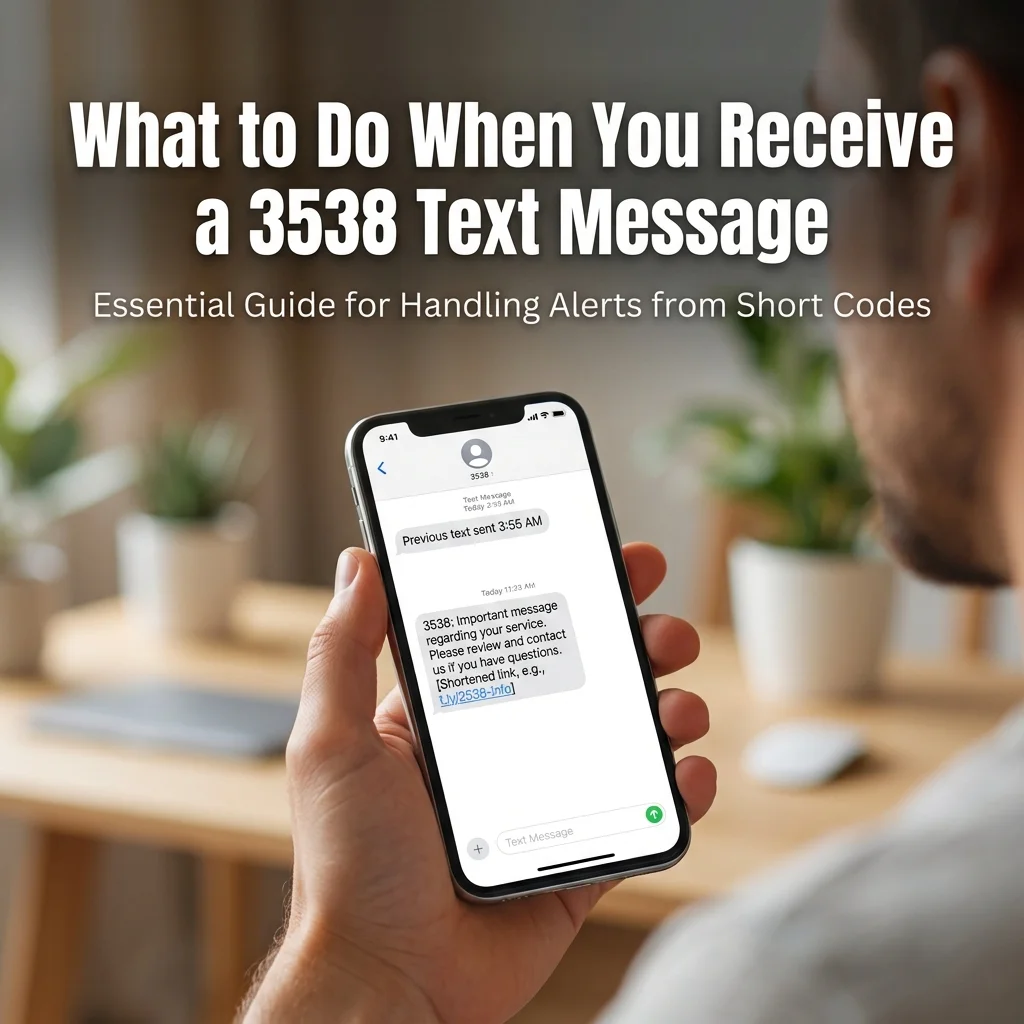
Having a clear action plan helps you handle these messages confidently and safely.
If You Recognize the Sender
When you’re expecting a verification code or notification, simply use the information as intended. Enter the code into the appropriate website or app. Read the notification and take any required action. Remember that verification codes are private. Never share them with anyone, even if they claim to be from the company.
If You’re Unsure About the Message
When a text seems unexpected or unclear, resist the urge to reply immediately. Instead, take a moment to think about recent activities. Did you sign up for anything new? Make any online purchases? Interact with a business that might send automated texts?
If nothing comes to mind, you can send a simple reply like “HELP” to the number. Many short codes are configured to respond with information about the service and how to contact the company. However, some short codes don’t support this feature.
If You Suspect Spam
If the message seems obviously spammy or fraudulent, block the number through your phone’s settings. Most modern smartphones make this simple. Additionally, you can report spam texts to your carrier. This helps carriers identify and block problematic senders across their networks.
How to Stop Receiving Unwanted 3538 Texts
Getting unwanted messages from 3538 is frustrating. Fortunately, you have several effective options.
The STOP Command
The simplest solution is replying with the word “STOP.” This is a universal opt-out command recognized across the industry. By law and by carrier agreement, companies must honor this request and remove you from their messaging list.
When you send STOP, you’ll typically receive a confirmation message. You shouldn’t receive further messages from that specific sender. However, this only unsubscribes you from that particular program. If other companies use the same short code, you’ll need to opt out of each one separately.
Blocking Through Your Phone
Alternatively, you can simply block the number using your phone’s built-in features. On iPhones, open the message, tap the contact icon, and select “Block this Caller.” On Android devices, the process is similar. Open the conversation, tap the three-dot menu, and select “Block number.”
Contacting Your Carrier
If messages continue despite your efforts, or if you notice charges on your bill, contact your mobile carrier. They can investigate the issue, block the number at the network level, and help resolve any billing concerns.
Generational and Cultural Understanding of Short Codes
Different age groups and communities interact with short codes differently. Understanding these perspectives can help you relate to others who might have questions about 3538 text messages.
Younger generations who grew up with smartphones tend to be more familiar with short codes. They’ve seen these numbers since childhood, often receiving verification codes for apps and games. This familiarity breeds comfort, and they typically understand the automated nature of these messages.
Older generations sometimes feel more uncertainty about short codes. Having grown up with traditional phone numbers, they might find these abbreviated codes puzzling. They may have legitimate concerns about spam, privacy, or unexpected charges. This generational difference explains why someone might be more anxious about a 3538 text than a younger person would be.
The Importance of Context in Digital Communication
Digital communication relies heavily on context. A simple string of numbers can carry completely different meanings depending on where and how it appears. The “3538 text message” perfectly illustrates this principle.
In your SMS inbox, 3538 represents a short code from a business. In your call log from an international traveler, it might represent part of an Irish phone number. In an online forum, it could be a product code, a reference number, or slang for something entirely unrelated.
This context sensitivity is why it’s crucial to consider the whole situation when you receive unfamiliar messages. The same number appearing in different contexts can mean very different things.
Future Trends in Short Code Messaging
The landscape of business communication continues to evolve. Short codes like 3538 will likely remain important, but their role might shift as technology advances.
Integration with Rich Communication Services (RCS)
Modern messaging protocols offer features beyond basic SMS. RCS supports images, video, interactive buttons, and read receipts. Short codes are beginning to support these advanced features, making business communications more engaging and useful.
Increased Personalization and AI Integration
Artificial intelligence is making automated messages more sophisticated. Instead of generic texts, you might receive personalized communications tailored to your behavior and preferences. This could make messages from 3538 feel more relevant and less like impersonal broadcasts.
Voice and Video Integration
As technology evolves, short codes might support voice or video interactions. Imagine receiving a short code message and responding with a voice note that gets processed automatically. These innovations would further blur the line between automated and personal communication.
Protecting Your Privacy with Short Code Messages
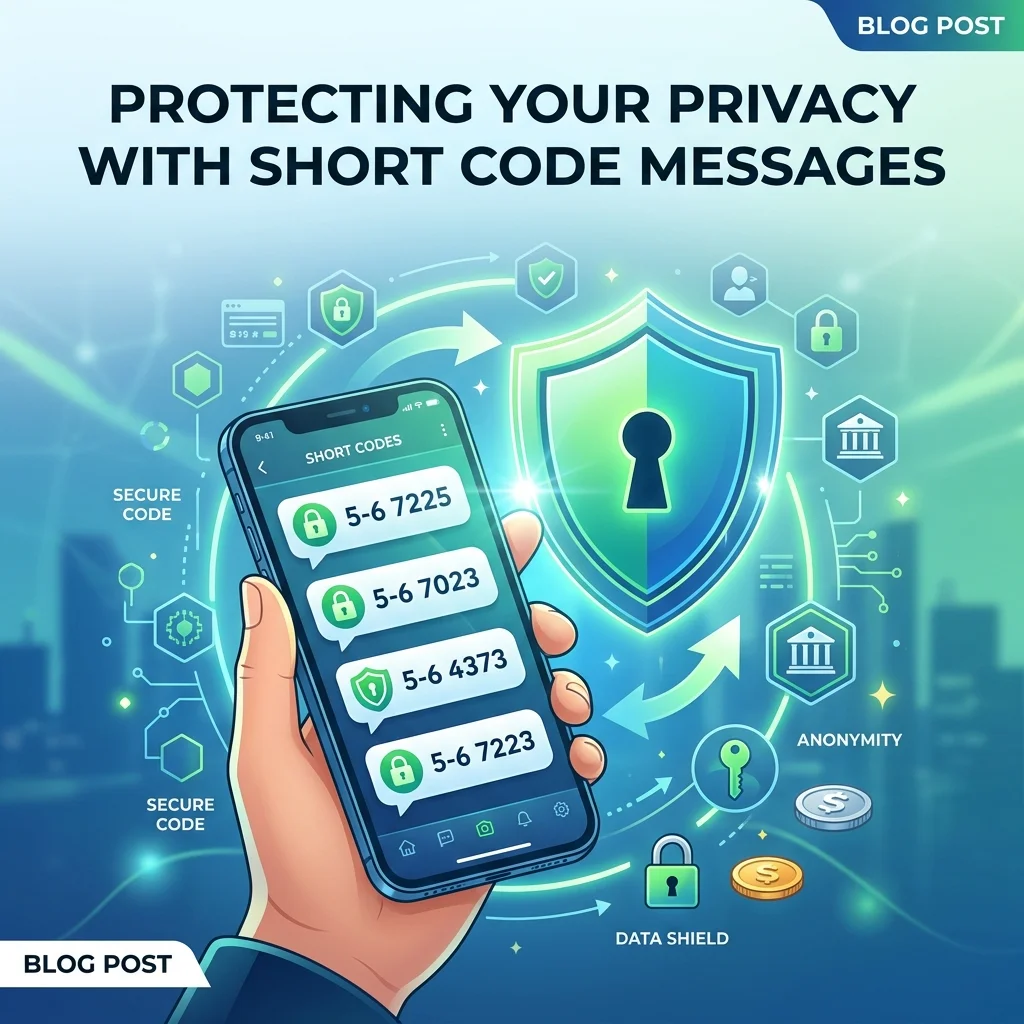
Privacy concerns naturally arise when receiving automated messages. Here are essential practices to safeguard your information.
Never share verification codes with anyone, even if they claim to be from the company sending the message. Legitimate businesses never ask for these codes proactively. If you receive a call or text requesting your verification code, hang up and contact the company directly through official channels.
Additionally, be cautious about clicking links in short code messages. While many are legitimate, some fraudsters use short codes to send phishing messages. Always verify the sender and think critically about unsolicited links, especially those requesting personal information.
Finally, review your privacy settings with companies you patronize. Many businesses allow you to control which notifications you receive. Adjusting these settings can help you receive only messages you genuinely want.
Final Thoughts on 3538 Text Messages
The “3538 text message” represents a fundamental shift in how businesses communicate with customers. These automated messages offer convenience, speed, and reliability. They enable services like two-factor authentication that protect your accounts. They allow timely notifications that enhance your experience as a consumer.
Yet understanding the system helps you navigate it confidently. You know now that 3538 is a legitimate business short code, not a mysterious caller. You understand why you receive these messages and what to do when they appear.
The key takeaways are straightforward. Receiving a text from 3538 usually means you’ve interacted with a business or service that uses automated messaging. The message might contain a verification code, a promotion, or a notification. If the message is expected, use it appropriately. If unexpected, treat it cautiously, use the STOP command if desired, and block the number if necessary.
Digital communication continues evolving, but short codes like 3538 will likely remain fixtures in our messaging landscape. Understanding them transforms what might initially seem confusing into something familiar, manageable, and useful.
Frequently Asked Questions
Is 3538 a legitimate number or spam?
3538 is a legitimate short code used by businesses for automated messaging.
Why did I receive a verification code from 3538?
You received a verification code because you initiated an action requiring identity confirmation.
What happens if I reply STOP to 3538?
Replying STOP to 3538 will unsubscribe you from that specific messaging program. You should receive a confirmation text. You will stop receiving messages from that particular sender, though other programs using the same short code may continue.
Are there charges for receiving 3538 text messages?
Standard incoming SMS messages typically don’t incur charges on most plans. However, depending on your carrier and plan, you might face charges. Contact your mobile provider for specific information about your plan’s messaging fees.
Can I send messages to 3538 for customer support?
Generally, short codes are designed for outbound messaging rather than inbound customer service. While some support replying with HELP or STOP, most short codes don’t route to human agents. For customer support, contact the company through their official phone number or website.
Why do businesses use 3538 instead of regular phone numbers?
Short codes like 3538 can handle high message volumes, ensure faster delivery, and are easier for customers to remember. They’re specifically designed for high-volume automated messaging that standard numbers cannot efficiently support.
What if I keep receiving messages after replying STOP?
If messages continue after you’ve unsubscribed, block the number through your phone settings. If the issue persists, contact your mobile carrier. They can investigate and potentially block messages at the network level.

Mr. Abdullah is a passionate writer who creates engaging, helpful, and easy-to-understand content for readers. He enjoys sharing fresh ideas, useful insights, and inspiring stories through MessageWritingHub.