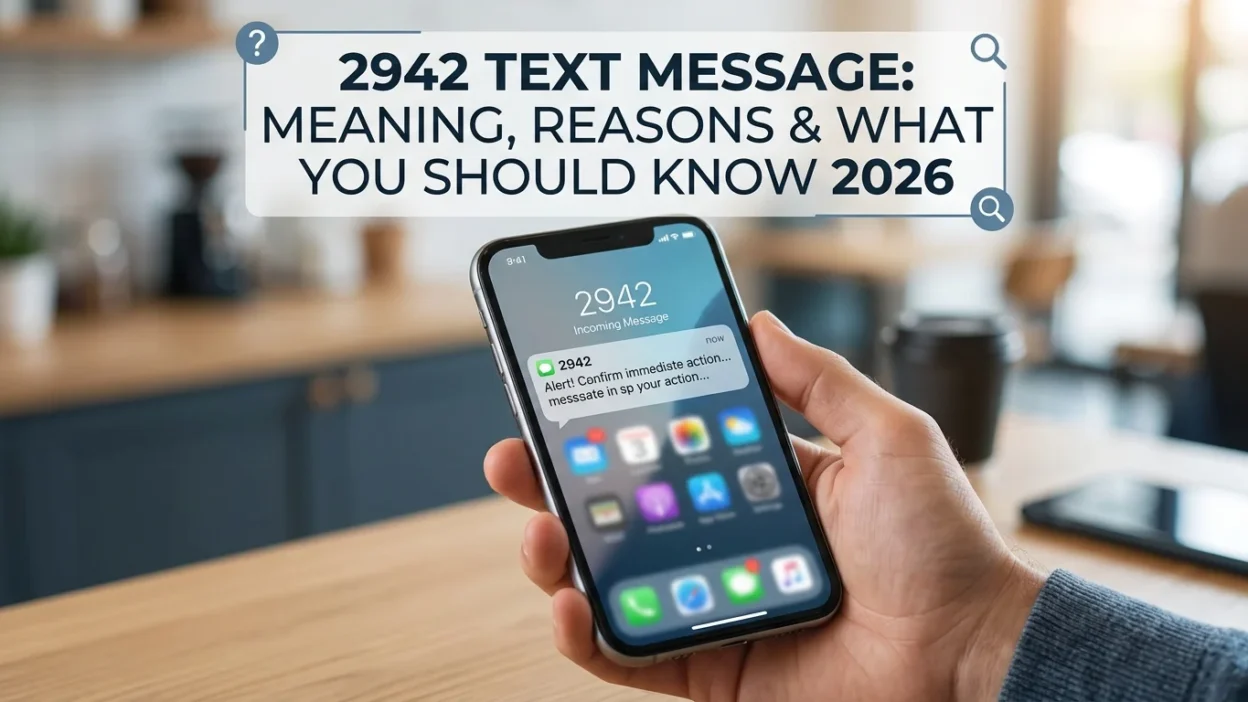
Getting a text from an unfamiliar number can feel unsettling. When that number is a short code like 2942, the confusion often deepens. Unlike typical texting slang or a friend’s saved contact, this sequence doesn’t offer an obvious clue about its origin or purpose. This comprehensive guide breaks down everything you need to know about a 2942 text message, from its most common uses to practical steps for handling it safely.
What Exactly Is a 2942 Text Message?
When you see 2942 appear as the sender on your phone, you’re likely looking at a short code rather than a personal phone number. Short codes are specialized five- or six-digit numbers that businesses and organizations use to send high-volume SMS messages efficiently. They’re shorter than standard phone numbers, making them easier to remember and type, and they’re specifically designed for automated communication.
A message from 2942 could therefore come from various sources. It might be a verification code for an app you’re using, a promotional alert from a company you’ve engaged with, or a notification from a service you’ve signed up for. Conversely, it could also be unsolicited marketing or even a phishing attempt. Understanding the message content is the key to determining its legitimacy.
Common Uses of the 2942 Short Code
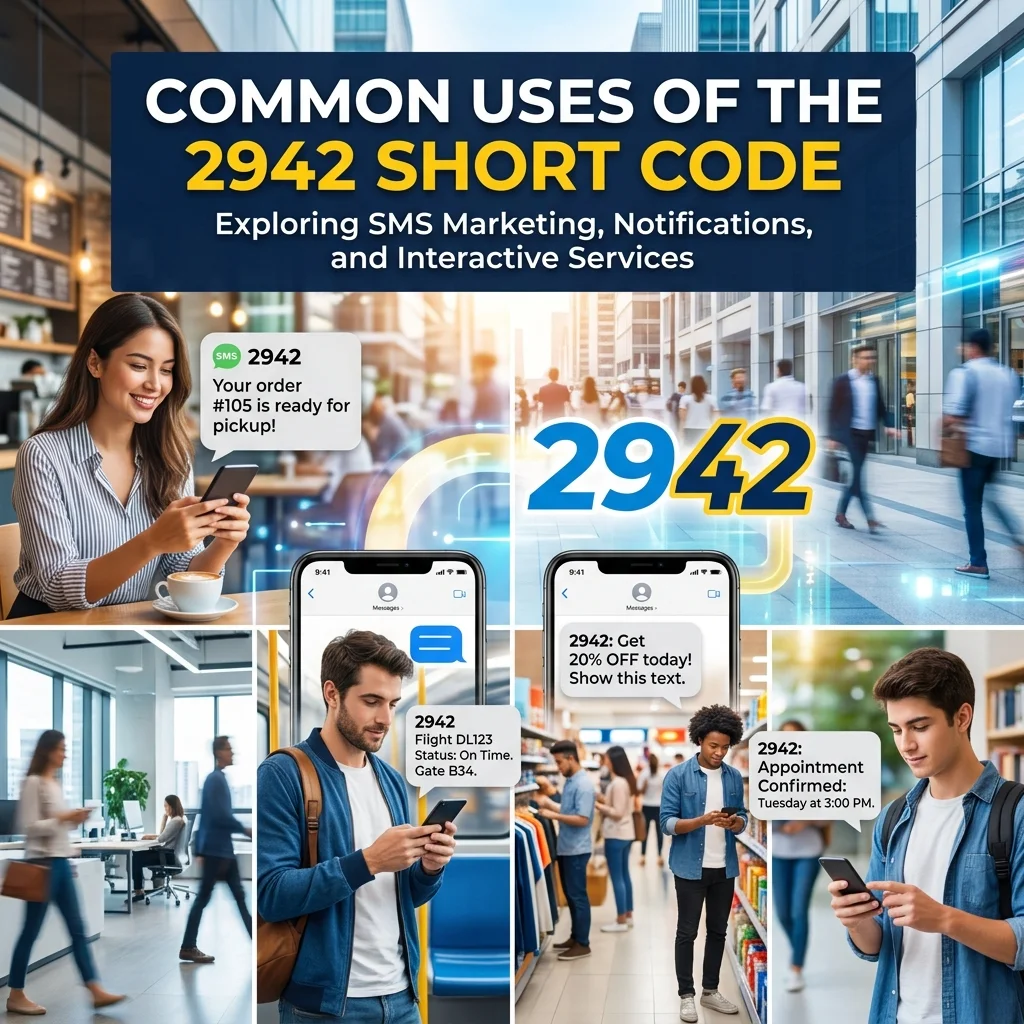
The number sequence 2942 serves different functions across various digital communication channels. Recognizing these contexts can help you interpret why you received a message.
Two-Factor Authentication and Verification Codes
One of the most frequent reasons for receiving a text from 2942 is as part of a two-factor authentication (2FA) process. This security measure adds an extra layer of protection to your online accounts. When you log in, sign up, or perform a sensitive action like changing your password, the service sends a one-time passcode (OTP) to your registered phone number. The code arrives from a short code like 2942, and you must enter it to proceed.
This practice is widespread across banking apps, social media platforms, email services, and gaming sites. For instance, users have reported receiving verification codes from similar short codes when accessing online gaming platforms. The temporary nature of these codes, typically expiring within a few minutes, enhances security by limiting the window of opportunity for unauthorized access.
Marketing and Promotional Messages
Businesses frequently leverage short codes like 2942 for their marketing campaigns. If you’ve ever opted in to receive text alerts from a brand, entered your phone number for a contest, or made a purchase that included SMS updates, you might receive messages from this number.
These promotional texts can include:
- Exclusive discounts and special offers
- New product announcements
- Event reminders and invitations
- Customer satisfaction surveys
- Loyalty program updates and point balances
These communications are typically transactional or promotional, and you would have usually provided consent at some point in the past. However, some companies make it easy to inadvertently opt in, leading to unexpected messages.
Appointment Reminders and Service Alerts
Many service providers use short codes to send practical notifications. Your doctor’s office might send appointment reminders, your bank could alert you about suspicious transactions, and delivery services often provide tracking updates through SMS.
For example, if you recently scheduled a medical appointment, ordered a package, or set up banking alerts, a message from 2942 could be related to these activities. These messages provide valuable information and are generally legitimate, though you should always verify the content if you have any doubts.
Why You Might Receive a Text from 2942
Several scenarios could explain why 2942 appears on your phone. Understanding these situations can help you determine the appropriate response.
You Requested a Verification Code
This is the most straightforward scenario. You’re actively trying to log into an app or service, and the platform sends the code 2942 to your phone. In this case, simply enter the code into the app as instructed. Remember that these codes expire quickly, so use them promptly.
Someone Else Entered Your Number
Mistakes happen. Someone might have typed your phone number instead of their own when signing up for a service or attempting to log in. As a result, you receive a verification code or message intended for them. If you weren’t expecting anything, this is a likely explanation. You can safely ignore and delete the message.
You Previously Opted In Without Realizing
Many online forms include pre-checked boxes for SMS updates, or you might have agreed to receive messages during a purchase without fully reading the terms. Consequently, a company you interacted with months ago could be sending messages through 2942.
It’s Spam or a Scam
Unfortunately, spammers and scammers also use short codes. They might send messages that appear to be from legitimate companies to trick you into revealing personal information or clicking on malicious links. In some regions, numbers with similar prefixes have been associated with automated nuisance calls and unwanted promotions.
How to Handle an Unexpected Text from 2942
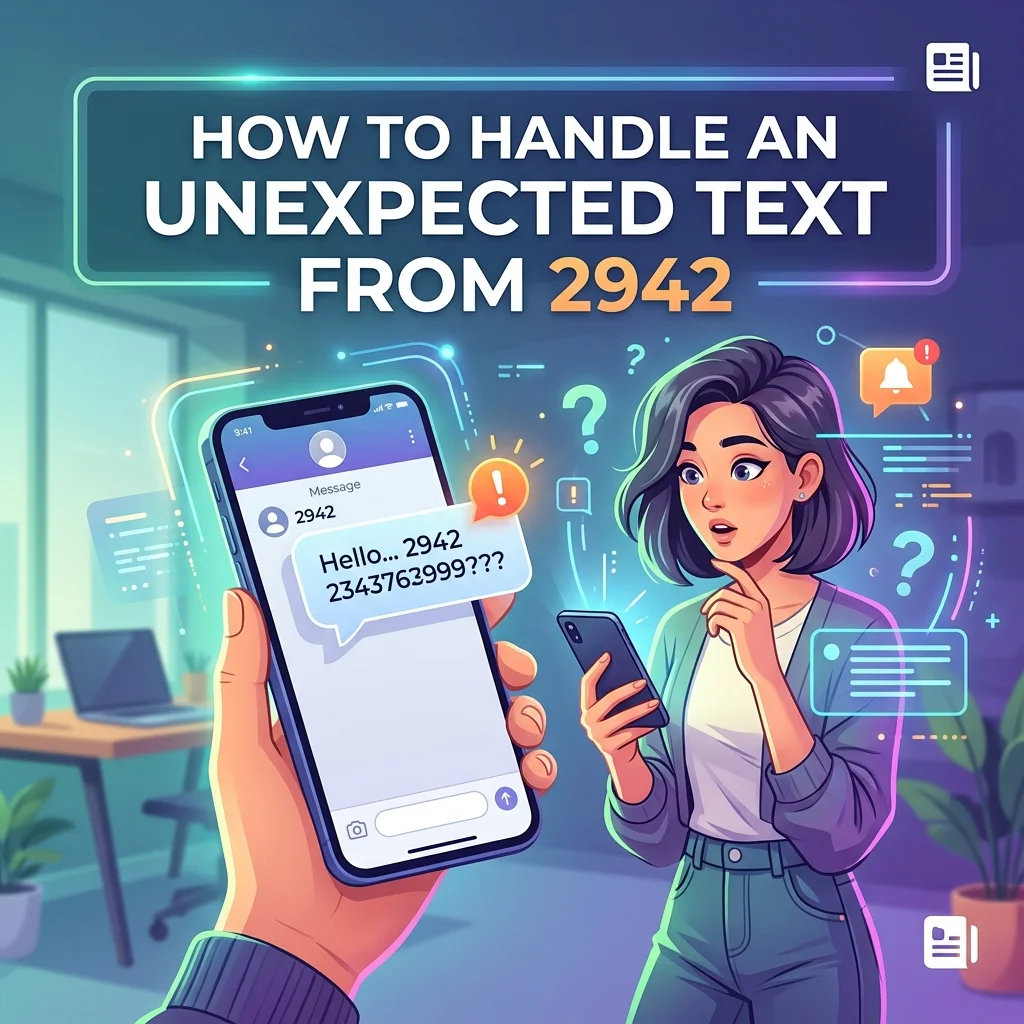
If you receive a text from 2942 and you’re unsure about its origin, follow these steps to protect yourself.
Pause Before Responding
Resist the urge to reply immediately. Responding to an unknown sender can confirm your number is active, potentially leading to more spam. While texting “STOP” is a legitimate way to unsubscribe from some services, only do this if you recognize the company and the message’s purpose.
Carefully Examine the Message Content
Read the message thoroughly. Ask yourself these questions:
- Is it a verification code I requested?
- Does it mention a specific company I know?
- Are there any links or requests for personal information?
- Does the message contain grammatical errors or urgent demands?
The answers to these questions will help you assess the message’s legitimacy.
Never Share Verification Codes
If the message contains a verification code, treat it like a password. Legitimate services will never ask you to share this code outside their official apps or websites. Scammers often pose as customer support representatives and request these codes to gain access to your accounts.
Ignore and Delete If Unsolicited
If you didn’t request the message and it doesn’t relate to any recent activity, the safest approach is to ignore and delete it. Don’t click on any links, and don’t engage with the sender.
Block the Number
If you receive frequent unwanted messages from 2942, block the number on your phone. Both iPhone and Android devices have built-in blocking features. Blocking a short code works the same way as blocking a regular phone number.
Report Suspicious Activity
If you believe the message is a scam or phishing attempt, report it. In the United States, you can forward spam texts to 7726 (SPAM). Many mobile carriers also have dedicated reporting channels. Additionally, you can file a complaint with relevant authorities, such as the Federal Trade Commission (FTC) in the US or similar consumer protection agencies in your country.
The Other Meanings of 2942
Understanding that 2942 appears in many other contexts can help you avoid confusion when encountering the number outside of text messaging.
In Software Development and Coding
In the tech world, 2942 often serves as an identifier for specific issues or tasks. On platforms like GitHub, for example, “issue #2942” might refer to a particular software bug that developers are working to resolve. For programmers, LeetCode Problem 2942 is a well-known coding challenge titled “Find Words Containing Character,” frequently used in interview preparation.
In International Standards
The number also appears in technical standards. ISO 2942:2018, for instance, defines a test method for hydraulic fluid power filter elements. This standard describes the “bubble-point test,” a specialized engineering procedure used to verify filter integrity. This is a niche technical field completely unrelated to text messaging.
As a Geographical Area Code
In telecommunications, 2942 can form part of a phone number’s area code. For example, +54 2942 is the area code for Mariano Moreno in Neuquén, Argentina. In this context, it helps route international calls to the correct region.
In Scientific Research
In genetics and biology, “2942” might appear as a sequence identifier. Researchers use numbers like these to organize and reference vast amounts of genetic data, such as specific gene transcripts in biological databases. This application is purely scientific and unrelated to consumer text messaging.
Common Mistakes People Make with Short Code Messages
Many people react incorrectly to messages from short codes like 2942. Being aware of these common errors can help you avoid them.
Responding to Obvious Spam
Replying to spam messages confirms your number is active. This often leads to an increase in unwanted messages. Unless you’re certain the message is from a legitimate service and you want to unsubscribe, it’s better not to respond.
Sharing Verification Codes
Sharing a verification code is one of the most dangerous mistakes you can make. Scammers use these codes to access your accounts. Always keep codes private, and remember that no legitimate company will ever ask you for them.
Clicking Suspicious Links
Links in unsolicited messages often lead to phishing websites designed to steal your personal information or install malware on your device. If you don’t recognize the sender, don’t click any links.
Assuming All Short Codes Are Legitimate
Not all messages from short codes are safe. Scammers can spoof any number, including short codes. Always exercise caution, even if the message appears to come from a familiar company.
Etiquette Tips for Handling Short Code Communications
Knowing how to manage messages from short codes can make your digital communication experience smoother and safer.
Verify Before You Act
If a message from 2942 claims to be from a company you use, don’t take it at face value. Open the company’s official app or website directly (not through any links in the message) to verify any information or alerts.
Use Official Opt-Out Methods
If you want to stop receiving messages from a legitimate service, use their official opt-out method. For many short codes, replying with “STOP” works. However, if you’re unsure, check the company’s website or contact their customer support for guidance.
Keep Your Contact Information Updated
Ensure your phone number is current with any services you use. This reduces the chance of receiving messages intended for someone else and helps you receive legitimate notifications you actually want.
Expert Tips for Staying Safe
Protecting yourself from scams and managing messages from short codes effectively requires a few simple habits.
Enable Two-Factor Authentication Everywhere
Whenever possible, enable 2FA on your important accounts. This significantly reduces the risk of unauthorized access. Use authenticator apps for even better security, as they’re less vulnerable to SIM-swapping attacks.
Keep Your Device Software Updated
Regularly update your phone’s operating system and apps. Updates often include important security patches that protect against known vulnerabilities. This makes it harder for scammers to exploit your device.
Be Skeptical of Unsolicited Messages
Develop a healthy skepticism toward messages you didn’t expect. This is one of the most effective ways to avoid falling for scams. Trust your instincts. If something feels off, it probably is.
Educate Family Members
Share this information with family members who might be less tech-savvy. Older adults and children are often targets of scams. Helping them recognize suspicious messages can protect them from financial loss and identity theft.
Frequently Asked Questions
Is 2942 always a verification code?
No, 2942 is not always a verification code. It can also be used for marketing messages, appointment reminders, and other automated notifications. The purpose depends on the message content. If the text contains a short numeric code, it’s likely for verification. If it contains promotional content, it’s marketing. Always read the message to determine its intent.
How can I tell if a message from 2942 is a scam?
Look for warning signs like urgent demands, requests for personal information, suspicious links, grammatical errors, or messages that don’t match any recent activity. Legitimate companies typically don’t ask for sensitive information via text. If you’re unsure, contact the company directly through their official website or customer service number.
Can I block texts from 2942 on my phone?
Yes, you can block texts from 2942 on both iPhone and Android devices. The process is the same as blocking a regular phone number. On iPhone, open the message, tap the contact at the top, select “Info,” and choose “Block this Caller.” On Android, open the message, tap the three-dot menu, and select “Block number.”
Will replying “STOP” to 2942 stop all messages?
Replying “STOP” will stop messages from that specific service or company if it’s a legitimate marketing campaign. However, it won’t stop messages from other services using the same short code. It also won’t stop spam messages from scammers who don’t respect opt-out requests. For persistent spam, blocking the number is more effective.
What should I do if I receive a verification code I didn’t request?
If you receive an unexpected verification code from 2942, don’t ignore it completely. Someone might be trying to access an account using your phone number. Change your passwords for important accounts, especially those where you use the same phone number for verification. Monitor your accounts for suspicious activity. If the messages continue, consider contacting the company that sent the code to alert them.
Why do companies use short codes instead of regular numbers?
Companies use short codes because they’re easier to remember, support high-volume messaging, and can be branded for better recognition. Short codes also help with deliverability, as carriers often prioritize messages from known short codes. This makes them more reliable for time-sensitive communications like verification codes and alerts.
Can I receive international messages from 2942?
Short codes like 2942 are typically country-specific. A short code that works in the United States might not function in other countries due to different telecommunications regulations. However, if you’re traveling or have an international number, you might receive messages from short codes associated with services you use, depending on the service’s reach and international agreements.
How long is a verification code from 2942 valid?
Verification codes typically expire within 5 to 15 minutes for security reasons. This time limit prevents unauthorized access if someone intercepts the code. If your code expires, simply request a new one. Never try to use an expired code, as it will not work.
Conclusion
When 2942 appears as the sender of a text message, it’s almost certainly functioning as a short code. Its purpose could range from legitimate verification and marketing to unwanted spam and scams. Understanding the different contexts in which this number appears, both in digital communication and in other fields, empowers you to respond appropriately. By following the practical advice outlined in this guide, you can confidently identify the nature of a 2942 text message, protect yourself from potential threats, and manage your digital communications more effectively. Stay informed, stay cautious, and always prioritize your security.

Mr. Abdullah is a passionate writer who creates engaging, helpful, and easy-to-understand content for readers. He enjoys sharing fresh ideas, useful insights, and inspiring stories through MessageWritingHub.