Receiving a text message from an unknown number or short code like 2939 can be confusing and sometimes even concerning. Unlike common texting abbreviations that are clearly slang or shorthand, “2939” doesn’t follow the typical pattern of replacing words with numbers that sound similar. It’s not immediately obvious what it means or why it’s appearing on your phone. This comprehensive guide will explain everything you need to know about the 2939 text message, from its various meanings to how you should respond when you see it.
What Does 2939 Mean in a Text Message?
When you see 2939 as a text message sender, it usually isn’t a person’s phone number, but rather a short code. Short codes are five- or six-digit numbers that companies use to send high-volume SMS messages. They’re designed to be easier to remember than standard 10-digit phone numbers and are specifically built for automated services. So, a text from “2939” likely isn’t from a friend, family member, or colleague, but from a service or platform you are signed up with.
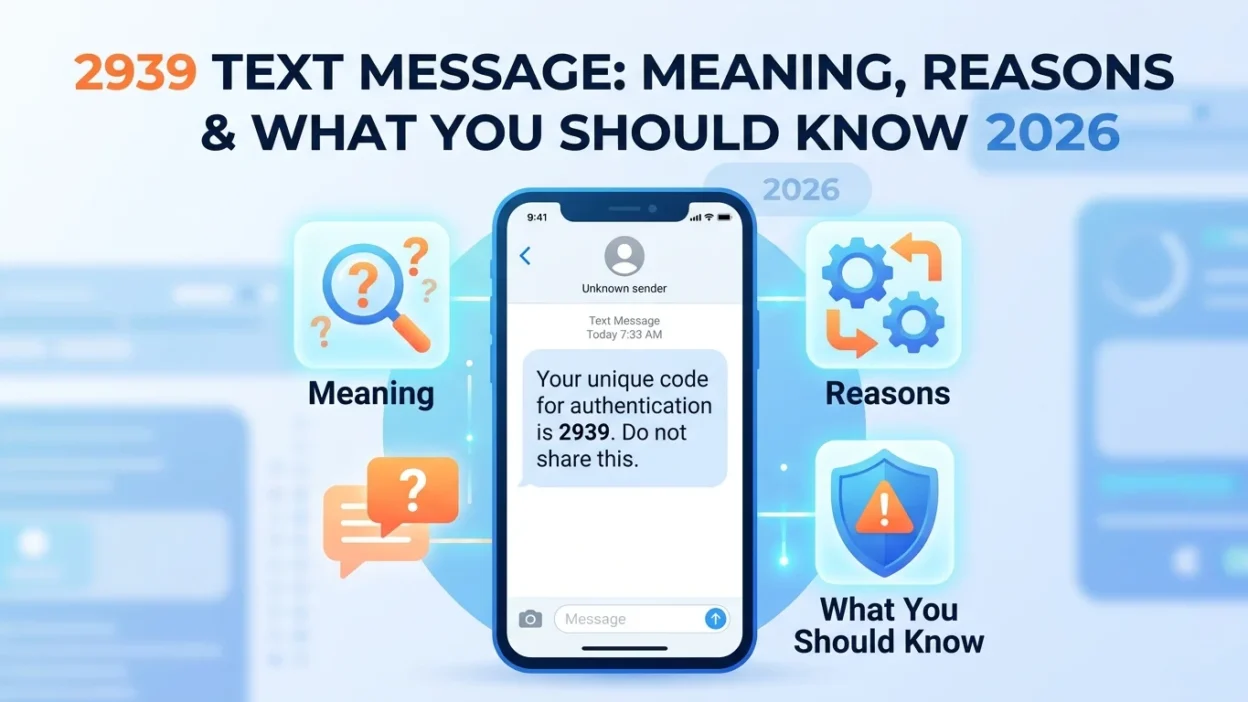
In many cases, 2939 also appears as a verification code sent by an app or service. For instance, users have reported receiving “2939” as a verification code from platforms like WePlay, used to log in or confirm an account. The exact meaning is always determined by the context of the message and the content it contains. Understanding this distinction is crucial for determining whether the message is legitimate or potentially harmful.
Understanding Short Codes and Their Purpose
Before diving deeper into the specific meaning of 2939, it’s helpful to understand what short codes are and why they exist. Short codes are specialized telephone numbers significantly shorter than full phone numbers. They are used for:
- Bulk messaging: Companies can send thousands of messages simultaneously through a single short code.
- Ease of recall: Short codes are easier for customers to remember and type.
- Brand recognition: Many companies use vanity short codes that spell out their brand name.
- Two-way communication: While primarily used for outgoing messages, some short codes allow replies for commands like “STOP” or “HELP.”
The 2939 short code falls into this category, functioning as a tool for businesses and services to communicate efficiently with their users.
How 2939 is Used in Digital Communication
Across different contexts, this number sequence serves different purposes. Understanding these can help you decide how to act when you see it on your phone screen.
Verification Code for Apps and Services
One of the most common uses of 2939 is as a one-time passcode (OTP). This is a standard security measure used by apps and websites to protect user accounts. When you log in, sign up, or perform a sensitive action like changing your password, the platform sends a text with a 4-digit code like 2939 to your phone to verify your identity. This is designed to ensure that it’s really you attempting to access the account and to prevent unauthorized access from hackers or other malicious actors.
Two-factor authentication (2FA) has become increasingly important in today’s digital landscape. With data breaches becoming more common, having an extra layer of security through verification codes is essential. The code 2939 serves as that temporary key, granting access only to the person who possesses the registered phone number. This is why never sharing these codes with anyone is so critical.
SMS Short Code for Marketing Alerts
Companies use short codes like 2939 to send marketing messages, appointment reminders, or delivery updates. If you’ve ever opted in to receive texts from a brand or service, they might send you messages from such a code. These messages are sent out in bulk to many users at once, which is why a short code is more efficient for them than using a standard 10-digit number.
Marketing messages through short codes can include:
- Promotional offers and discounts
- Product launch announcements
- Event reminders
- Customer surveys and feedback requests
- Loyalty program updates
These communications are typically transactional or promotional in nature, and you would have usually provided consent to receive them at some point in the past.
Can 2939 Have Other Meanings?
While in text messaging, it is almost exclusively a short code or verification number, it’s worth noting that the number appears in other contexts. For example, 2939 is a stock symbol for companies on the Hong Kong Stock Exchange. It is also an angel number, which some interpret as a spiritual message about creativity and independence. However, these are separate and unrelated to the meaning of a 2939 text message. Understanding this distinction helps avoid confusion when encountering the number in different situations.
Why Did I Get a Text Message from 2939?
If you’ve received a text from 2939 and don’t recognize it, here are the most likely reasons:
You or Someone Else Tried to Log into Your Account
This is one of the most common scenarios. Many users have reported receiving a “2939” verification code from apps like WePlay, an online gaming platform. When someone attempts to log in using your phone number, the platform sends a verification code to your device. If you receive such a code unexpectedly, it could mean someone is trying to access your account.
You Previously Opted-In to Receive Promotional Texts
Many businesses use short codes for their marketing campaigns. If you’ve ever signed up for a service, made a purchase online, or entered your phone number for a giveaway, you might have inadvertently agreed to receive text messages. The 2939 short code could be affiliated with one of these companies sending you promotional content.
You Signed Up for Alerts
Appointment reminders, banking notifications, delivery updates, and other alerts often come from short codes. If you recently scheduled a doctor’s appointment, ordered a package, or set up banking alerts, the message from 2939 could be related to these activities.
Someone Entered Your Number by Mistake
It’s common for people to misdial or use an old number when signing up for services. If someone mistakenly entered your phone number instead of their own, you might receive verification codes or messages intended for them. In this case, you can safely ignore the messages.
What to Do If You Receive an Unexpected 2939 Text
Receiving an unexpected or suspicious text can be unsettling. Here’s a step-by-step guide on what to do to protect yourself:
Don’t Reply Immediately
Replying to an unknown sender may confirm to them that your number is active, which could lead to more spam messages. Texting “HELP” or “STOP” can also be a legitimate way to unsubscribe, but be sure you recognize the company and the message before taking any action.
Read the Message Carefully
Is it a verification code you requested? Does it mention a specific company? Does it contain links or requests for personal information? Carefully reading the message content can provide important clues about its legitimacy and purpose.
Don’t Share the Code
If it’s a verification code, treat it like a password. Never share it with anyone else, even if they claim to be from the company. Legitimate services will never ask you for your verification code outside their official apps or websites.
If You Didn’t Request It, Ignore and Delete
If you didn’t sign up for the service and the message doesn’t pertain to any recent activity, it’s likely a mistake or spam. Simply delete the message without engaging with it further.
Consider Blocking the Number
If you’re receiving unwanted or frequent messages from 2939, you can block it on your phone to prevent further communications. Both iPhone and Android devices have built-in features to block specific numbers.
Report Suspicious Messages
If you believe the message is a scam or phishing attempt, you can report it to your mobile carrier. Many carriers have dedicated numbers or services for reporting spam messages. Additionally, you can forward spam texts to 7726 (SPAM) in the United States.
Important note: Some short code messages may incur standard charges from your carrier, especially for premium services, so it’s always wise to check the message content for any mention of costs before responding.
Common Scenarios and How to Handle Them
Scenario 1: You Requested a Verification Code
If you’re actively trying to log into an app or service and receive the code 2939, simply enter it into the app as instructed. This is a normal and secure process. Make sure you’re entering the code promptly, as many verification codes expire within a few minutes for security reasons.
Scenario 2: You Didn’t Request Anything
If you receive a verification code from 2939 but weren’t trying to log into anything, it could mean someone is trying to access your account. In this case, don’t enter the code anywhere. Instead, log into the relevant account through the official app or website and change your password immediately. Consider enabling additional security measures like biometric authentication.
Scenario 3: Promotional Message
If the message from 2939 contains a promotional offer, you can either ignore it, opt-out by replying “STOP,” or engage with it if you’re interested. Just be cautious about clicking links in unsolicited messages, as they could lead to phishing sites.
When Not to Use 2939 in Communication
Since 2939 is not a slang term or abbreviation, it has no place in casual or professional conversation. You wouldn’t use it in a personal text message to mean something else. It functions as an identifier or a security token, not as a form of language. Using it incorrectly would only cause confusion. This is an important distinction to make when discussing the number in any context outside of digital communication.
The Importance of Security and Privacy
In today’s interconnected world, understanding how short codes and verification systems work is essential for maintaining your digital security. Messages from numbers like 2939 are often part of the security infrastructure that protects your online accounts. By recognizing legitimate messages and understanding the risks associated with sharing verification codes, you can significantly reduce your vulnerability to cyber threats.
How to Verify the Legitimacy of a 2939 Message
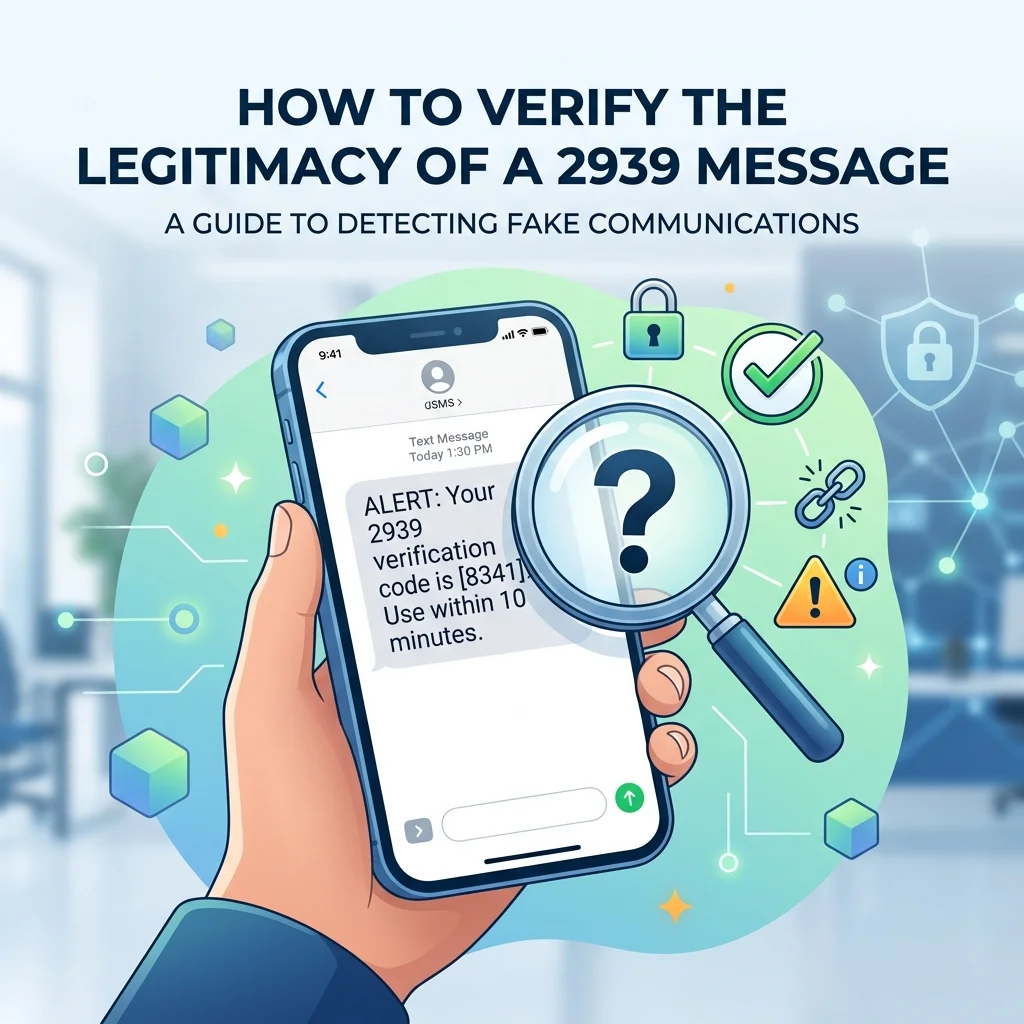
If you’re unsure about the authenticity of a message from 2939, here are some steps you can take:
Check the Message Content
Legitimate messages from businesses typically include clear identification of the company, a specific purpose for the message, and often instructions on what to do next. Scam messages often contain grammatical errors, vague content, or urgent demands.
Look Up the Short Code
Many websites and forums track known short codes and their affiliated companies. A quick search for “2939 short code” might reveal which company uses this number. However, be cautious as scammers can spoof short codes, so this information should be used as a reference, not as definitive proof of legitimacy.
Contact the Company Directly
If you suspect a message from 2939 might be legitimate but aren’t sure, contact the company directly through their official website or customer service number. Don’t use contact information provided in the suspicious message itself.
Future of Short Codes in Communication
As technology evolves, the use of short codes and verification systems continues to adapt. Rich Communication Services (RCS) and other advanced messaging protocols are beginning to offer enhanced capabilities that go beyond traditional SMS. However, the fundamental principles of short codes and OTPs will likely remain relevant for the foreseeable future, as they provide a simple and reliable method for authentication and communication.
Frequently Asked Questions
Is 2939 a scam text?
Not always, but it can be. Scammers can spoof any number, including short codes. 2939 is often used for legitimate services like verification or alerts. However, if you receive an unsolicited text from 2939 asking for personal information, money, or containing suspicious links, it’s a major red flag. Don’t click on any links and delete it immediately.
How do I stop receiving texts from 2939?
If you are receiving unwanted promotional texts from 2939, you can usually reply with “STOP” or “UNSUBSCRIBE”. Following the short code’s instructions, if available, is the fastest way to opt-out. If the messages are spam and don’t respect your opt-out request, you can block the number on your phone or report it to your mobile carrier. Additionally, you can contact your carrier’s spam reporting service for further assistance.
Is 2939 an angel number?
Yes, in spirituality, 2939 is considered an angel number. It’s often interpreted as a message of encouragement, urging you to use your creativity to maintain independence and trust that your hard work will be rewarded. However, this spiritual meaning is unrelated to the technical use of 2939 as a short code for text messages. The two contexts are entirely separate and should not be confused.
Why did I get a verification code from 2939?
If you receive a verification code like 2939 from a service, it means someone is trying to log into or access an account using your phone number. If it wasn’t you, it could be someone entering your number by mistake or a malicious attempt. Never share the code and ensure your account is secure by changing your password and enabling additional security measures.
Can I send a text message to 2939?
You can send a text to 2939, but you might not receive a reply. Short codes are primarily designed for receiving messages. While some services allow commands like “HELP” or “STOP”, sending a standard message won’t connect you to a person. Often, replies to short codes are subject to fees, so it’s best to check with your carrier before sending messages to short codes.
What should I do if I accidentally shared my verification code?
If you accidentally shared your 2939 verification code with someone, act quickly. Immediately log into the affected account and change your password. If the service offers session management features, log out of all devices. Contact the company’s support team to report the incident and request additional security measures. Monitor your account for any suspicious activity and consider enabling two-factor authentication through an authenticator app for added security.
How long are verification codes like 2939 valid?
Verification codes typically expire within 5 to 15 minutes for security reasons. If you don’t use the code within that time frame, you’ll need to request a new one. This time limit helps prevent unauthorized access if someone intercepts the code. Always request a new code if the one you received has expired rather than trying to use an old code.
Can 2939 be used for international messaging?
Short codes like 2939 are typically country-specific. A short code that works in the United States might not work in other countries. International messaging protocols and regulations vary significantly, so a service using 2939 in one country may use a different number in another. If you’re traveling or using a foreign number, you might experience differences in how short codes function.
Conclusion
When it appears on your phone, 2939 is a technical tool used in the digital communication space. It is almost certainly a short code identifier for an automated service or a verification code meant to keep your online accounts secure. While it might appear in spiritual or financial contexts, its function as a 2939 text message is distinct and practical. Now that you know how to identify and handle messages from this number, you can interact with it confidently, knowing when it’s a legitimate service and when to be cautious. Stay informed, stay secure, and always trust your instincts when something doesn’t feel right.

Mr. Abdullah is a passionate writer who creates engaging, helpful, and easy-to-understand content for readers. He enjoys sharing fresh ideas, useful insights, and inspiring stories through MessageWritingHub.