📱 Receiving a text message from an unfamiliar short code can be unsettling, especially when it involves your financial accounts. If you’ve recently seen 72975 appear on your phone screen, you’re likely wondering whether it’s a legitimate message from PayPal or a scam trying to steal your information.
The answer is more nuanced than a simple yes or no. The 72975 text message is a registered short code that PayPal uses for legitimate security communications. However, scammers have learned to exploit this number through sophisticated phishing tactics, making it difficult for the average user to tell the difference. Consequently, understanding how this code works—and how criminals abuse it—is essential for protecting your account.
This guide will explain everything you need to know about the 72975 text message, from its legitimate purpose to the warning signs of fraud. By the end, you’ll know exactly how to respond when this number appears on your phone.
📌 What Is the 72975 Short Code?
A short code is a five- or six-digit number that businesses and organizations use to send high-volume text messages to their customers. Unlike standard ten-digit phone numbers, short codes function as automated messaging gateways. Companies use them for notifications, alerts, security codes, and promotional messages.
The 72975 short code is registered to PayPal, the global online payment platform. When you text “HELP” to 72975, you receive an automated response directing you to PayPal’s Help Center, confirming the number’s legitimate association with the company. PayPal uses this short code primarily for two-factor authentication (2FA) codes and other security-related communications.
🔐 The Legitimate Purpose: Security Verification Codes
PayPal uses the 72975 short code to send security codes when you attempt to log into your account, confirm a transaction, or verify your identity. These messages typically contain a one-time passcode that expires within minutes.
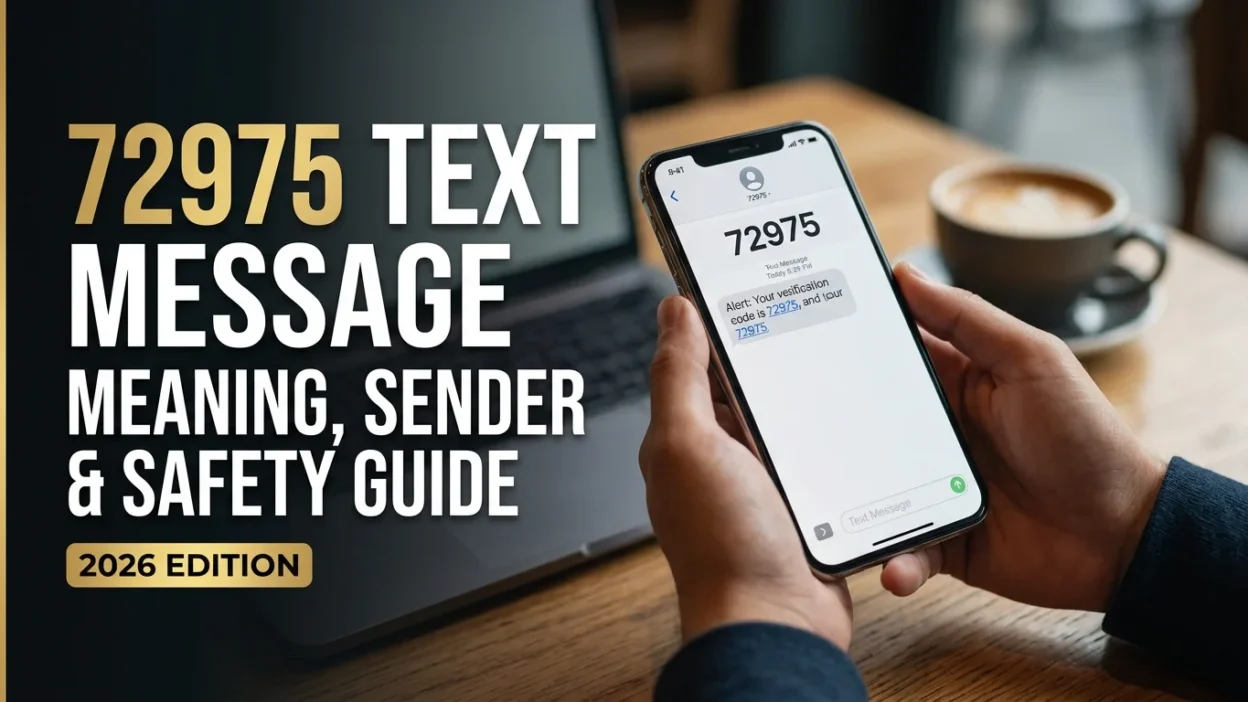
A typical legitimate message from 72975 looks like this:
“PayPal: Your security code is 946578. Your code expires in 10 minutes. Please don’t reply. @www.paypal.com #946578”
This format is clean, direct, and contains no links. The code itself is the only actionable information. PayPal sends these messages to protect your account from unauthorized access, ensuring that only someone with your phone can complete the login or transaction.
🚨 The Scam: How Fraudsters Exploit 72975
While the 72975 short code itself is legitimate, scammers have developed sophisticated methods to abuse it. The core of the scam involves spoofing—making a message appear to come from a trusted number when it actually originates from a criminal source.
The Multi-Step Phishing Attack
The scam often unfolds in a coordinated sequence. First, you receive a text from a number that looks similar to PayPal’s, such as 729725, claiming there’s a suspicious transaction on your account. Next, you might receive a phone call with an automated voice saying someone is trying to withdraw money from your account.
While you’re dealing with this initial contact, the scammer triggers a real security code from the legitimate 72975 short code by attempting to log into your actual PayPal account. The scammer then asks you to read them the code you just received, claiming it’s needed to cancel the fraudulent transaction. If you share the code, the scammer gains full access to your account.
Why the Scam Is Effective
This attack works because the code you receive is genuinely from PayPal. You see the legitimate 72975 number and assume the person you’re speaking with is also legitimate. The scammer creates urgency by claiming your money is at risk, pressuring you to act quickly without verifying the caller’s identity.
🛡️ How to Tell the Difference: Legitimate vs. Scam
Distinguishing between a legitimate 72975 message and a scam attempt comes down to context and format.
Legitimate Messages from 72975
A genuine PayPal security code from 72975 follows a predictable pattern. The message contains only the code and a warning not to share it. There are no links, no phone numbers to call, and no requests for personal information. The message is concise and professional.
Warning Signs of a Scam
Several red flags indicate a message is fraudulent. If the message asks you to reply with the code, it’s a scam—PayPal never asks you to reply with your security code. If it contains a link to click, treat it as suspicious, as legitimate 72975 messages do not include links. If you receive an unexpected phone call from someone claiming to be PayPal support while you’re receiving codes, hang up immediately.
Additionally, be wary of messages from similar-looking numbers like 729725. While some sources claim both numbers are legitimate, community reports consistently identify 729725 as a number used by scammers. The confusion between these two numbers is precisely what scammers exploit.
✅ What to Do If You Receive a 72975 Message
Your response should depend on whether you initiated the action that triggered the message.
If You Requested a Code
If you were actively trying to log into your PayPal account or complete a transaction, the code from 72975 is legitimate. Enter it on the PayPal website or app to complete your action. Never share it with anyone who calls or texts you.
If You Didn’t Request a Code
If the message arrives unexpectedly, treat it as a potential security incident. Do not reply to the message. Do not call any phone numbers that appear in related communications. Instead, log into your PayPal account directly through the official app or by typing www.paypal.com into your browser. Check your account activity for any unauthorized transactions and change your password immediately if you notice anything suspicious.
If You Accidentally Shared the Code
If you shared a 72975 code with someone, act quickly. Log into your PayPal account immediately and change your password. Enable two-factor authentication if it isn’t already active. Contact PayPal’s customer service to report the incident and monitor your account for any unauthorized activity.
❌ Common Mistakes to Avoid
When dealing with 72975 messages, avoid these common errors that could compromise your security.
Mistake 1: Assuming All Messages Are Scams
Some people see a short code and immediately assume it’s fraudulent. However, 72975 is a legitimate PayPal number. If you’re actively logging in, the code is real. Dismissing all messages without context could lock you out of your own account.
Mistake 2: Replying with the Code
Never reply to a 72975 message with the code itself. The message explicitly states “Please don’t reply”. Legitimate services never ask you to text back a security code.
Mistake 3: Trusting Caller ID
Scammers can spoof caller ID to make it appear they’re calling from PayPal’s official number. Do not trust the number displayed on your phone. Instead, hang up and call PayPal directly using a number from their official website.
Mistake 4: Clicking Links in Related Messages
Scammers often send follow-up messages with links to fake PayPal login pages. Never click these links. Navigate to PayPal directly through your browser or app.
💡 Expert Tips for Protecting Your PayPal Account
Here are some best practices to keep your account secure.
Use the Official App
Download the PayPal mobile app and use it for all account management. The app provides a secure environment and reduces reliance on text-based verification links.
Enable Two-Factor Authentication
If you haven’t already, enable 2FA on your PayPal account. This adds an extra layer of security beyond your password. Even if someone steals your password, they’ll need the code sent to your phone to access your account.
Monitor Your Account Regularly
Check your PayPal transaction history frequently. If you notice any unauthorized activity, report it immediately. Early detection can prevent significant financial loss.
Be Skeptical of Urgency
Scammers rely on panic. If a message or call creates a sense of emergency about your money, take a step back. Verify the situation through official channels before taking any action.
❓ Frequently Asked Questions
Is 72975 a scam?
No, 72975 is a legitimate PayPal short code used for security verification codes. However, scammers exploit the number by tricking users into sharing codes they receive.
Why did I get a text from 72975?
You received a text from 72975 because someone—either you or a scammer—attempted to log into your PayPal account or initiate a transaction. If you weren’t trying to log in, someone else may have your credentials.
What should I do if I get a 72975 text without requesting one?
Do not reply or share the code. Log into your PayPal account directly through the official app or website. Check for unauthorized activity and change your password if necessary.
Can I stop receiving texts from 72975?
You can reply “STOP” to opt out of messages from 72975. However, this will prevent you from receiving legitimate security codes, which could lock you out of your PayPal account.
Is 729725 also a PayPal number?
While some sources claim both 729725 and 72975 are legitimate, community reports consistently identify 729725 as a scam number. The confusion between these numbers is part of the scam tactic.
What happens if I share my 72975 code with a scammer?
If you share the code, the scammer can access your PayPal account. Immediately change your password, enable 2FA, and contact PayPal to report the incident.
Does PayPal ever call and ask for a code?
No. PayPal will never call you and ask for your security code. If someone calls claiming to be PayPal and asks for a code, hang up immediately.
✅ Conclusion
The 72975 text message is a legitimate PayPal short code used for security verification. However, scammers have weaponized this trust by triggering real codes and then calling victims to extract them. The key to staying safe is understanding the context: if you didn’t initiate a login, treat the message as suspicious. Never share your code with anyone, never reply to the message, and always verify through PayPal’s official app or website. By staying vigilant and following these precautions, you can protect your account from even the most sophisticated phishing attempts.

Mr. Abdullah is a passionate writer who creates engaging, helpful, and easy-to-understand content for readers. He enjoys sharing fresh ideas, useful insights, and inspiring stories through MessageWritingHub.