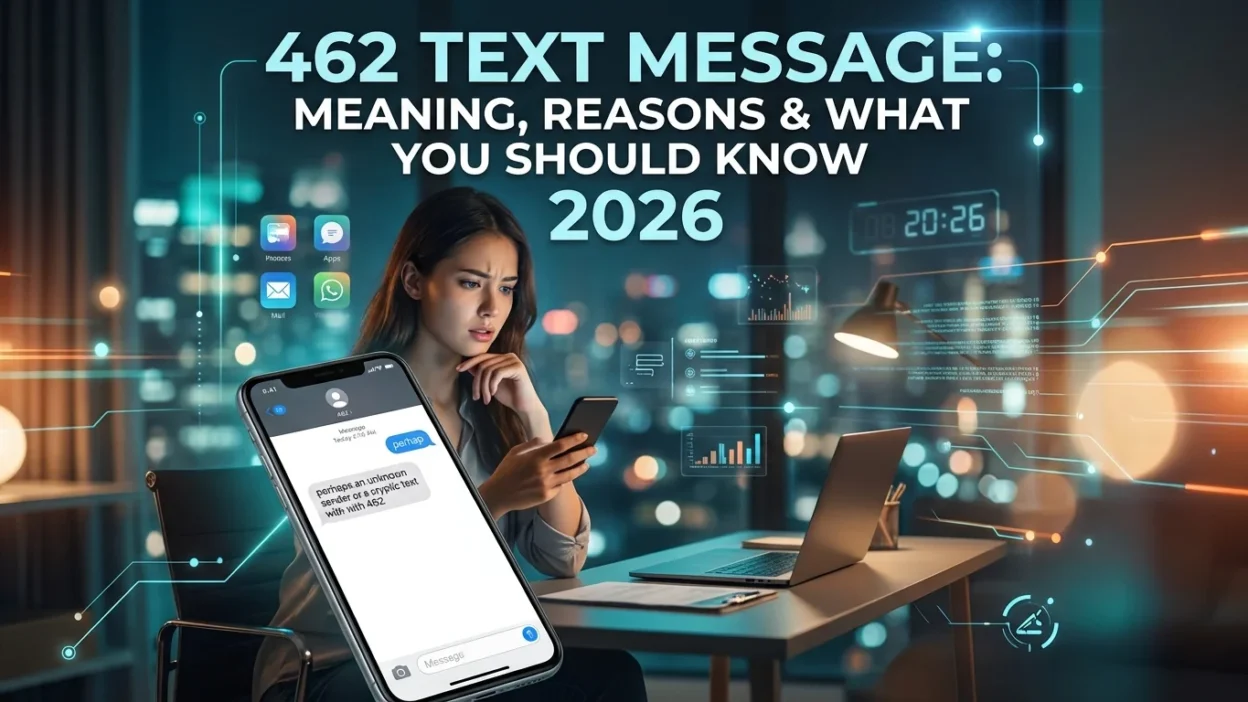
Your phone buzzes with a text from a short, three-digit number: 462. Then, moments later, you receive a call from someone claiming to be from T-Mobile support. They tell you there’s a problem with your account and ask you to read back the code you just received. This is one of the most common and dangerous scams targeting mobile phone users today.
The 462 text message itself is legitimate. T-Mobile uses this short code for official security alerts and two-factor authentication . However, scammers have weaponized this trusted number in a sophisticated account takeover scheme. This guide explains everything you need to know about the 462 text, how the scam works, and how to protect yourself.
📌 What Is the 462 Short Code?
The number 462 is a dedicated short code that T-Mobile uses for official account alerts. According to T-Mobile’s support documentation, 462 is one of the designated short codes used for sending T-Mobile Alerts to subscribers . These alerts typically include:
- Two-Factor Authentication (2FA) Codes: When you log into your T-Mobile account from a new device or request a password reset, a verification code arrives from 462 .
- Security Notifications: T-Mobile uses this number to send important security alerts regarding your account.
- Account Change Confirmations: Messages confirming actions affecting your plan, features, or personal information .
When you receive a 462 text message, it is almost always a legitimate communication from T-Mobile’s system. The message itself poses no threat. The danger arises when this code is combined with a scam phone call.
🚨 The Scam: How Fraudsters Exploit the 462 Text
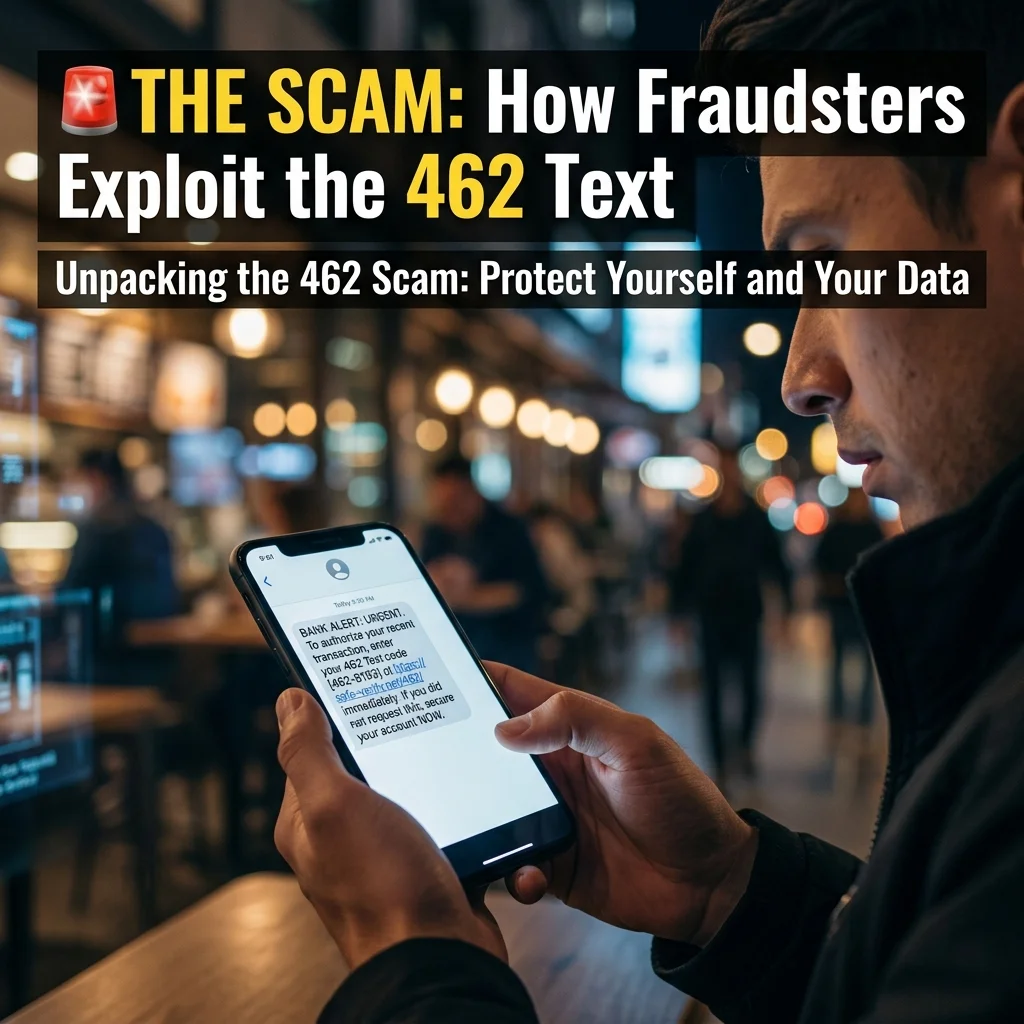
Scammers are aware that 462 is an official T-Mobile number, and they exploit this trust to steal your account . The scam typically unfolds in a specific sequence of steps.
The Call
You receive an unexpected phone call. The caller ID might even be “spoofed” to look like it’s coming from T-Mobile’s official customer service number . The person on the line introduces themselves as being from the “T-Mobile Fraud Department” or “T-Mobile Security Team.” They often use professional language and sound convincing.
The Story
The scammer creates a sense of urgency. They claim that someone is trying to fraudulently purchase a new phone on your account, that your account has been compromised, or that there is suspicious activity that requires immediate verification . Their goal is to make you feel anxious and compliant.
The Trap
To “verify your identity” and “secure your account,” the scammer tells you they are sending a verification code to your phone. While they are on the line with you, they go to the T-Mobile website and initiate a password reset for your account. This triggers a real 462 text message containing a legitimate one-time PIN .
The Steal
The scammer then asks you to read the code from the 462 text back to them over the phone . If you provide the code, you have just handed them the keys to your account. They can now:
- Log in to your T-Mobile account
- Change your password
- Access your personal information
- Make fraudulent device purchases
- Potentially port your number to a different device (SIM swap)
🔒 The Golden Rule: Never Share Verification Codes
Your defense against this scam is simple but crucial. Legitimate companies like T-Mobile will never call you and ask you to read a security code back to them . These codes are for you to enter on a website or app, never to be given to a person over the phone.
The 462 text message from T-Mobile often includes a warning that reinforces this rule: “For your security never share your verification code. T-Mobile will never contact you to ask for your code” .
🛡️ How to Protect Yourself from This Scam
If you receive a 462 text message unexpectedly, especially if it’s accompanied by an unsolicited phone call, take these steps immediately.
Hang Up
If you are on a call with someone asking for the code, hang up immediately. Do not engage further. Do not argue or try to confront them. Simply end the call .
Do Not Share the Code
Under no circumstances should you share the code from the 462 text message with anyone. Even if the caller sounds legitimate, do not give it out. T-Mobile will never ask for it .
Secure Your Account
If you receive an unexpected verification code, someone likely has your login credentials and is trying to access your account. Log into your T-Mobile account immediately through the official T-Life app or website (not via a link in the text) and change your password .
Report the Attempt
Contact T-Mobile’s official customer service by dialing 611 from your T-Mobile phone . Report the fraud attempt and request additional security measures on your account.
Block the Number
Use your phone’s built-in feature to block the number that called you. This prevents the scammer from contacting you again from that specific number.
⚠️ Other Contexts Where 462 Appears
The number 462 appears in other contexts unrelated to the T-Mobile short code. Being aware of these can prevent confusion.
Inactive Area Code
Area code 462 is currently inactive in the North American Numbering Plan . If you receive a call from this area code, it is likely a spoofed call that could be malicious or spam.
Australian Visas
The number 462 is associated with the “Work and Holiday visa (subclass 462)” for Australia . This is completely unrelated to the text message short code.
Radio Frequencies
The number also relates to the General Mobile Radio Service (GMRS), which uses radio frequencies around 462 MHz for short-distance, two-way communication .
Scam Calls Using 462 in Phone Numbers
Scammers frequently use phone numbers containing 462 as part of their spoofed Caller ID. Some prefixes like (573) 462 in Missouri are assigned to T-Mobile and are used by scammers .
Turkish Lira Scam
An unrelated scam in Turkey involves fraudsters demanding 462 TL (Turkish Lira) as a “shipping fee” for fake prizes won on social media . This is separate from the 462 short code scam.
❌ Common Mistakes About 462 Text Messages
Many people misunderstand the nature of the 462 text, leading to unnecessary concern or, worse, falling victim to the scam.
Mistake 1: Assuming the 462 Text Is the Scam
The 462 text message itself is not the scam. It is a legitimate security code from T-Mobile. The scam is the phone call that tries to trick you into sharing that code .
Mistake 2: Sharing the Code with a “Helper”
Some people share codes with someone they believe is a T-Mobile representative trying to help them. This is exactly what the scammer wants. Never share verification codes with anyone who contacts you .
Mistake 3: Ignoring Unexpected 462 Texts
If you receive an unexpected 462 text, do not ignore it. This could mean someone has your login credentials and is attempting to access your account. Log in and change your password immediately .
Mistake 4: Trying to Reply to 462
Because 462 is a system utility address, it does not accept replies. Sending a message to this number will not reach anyone and will not resolve anything .
📋 What If Your Bill Shows 462 Text Messages?
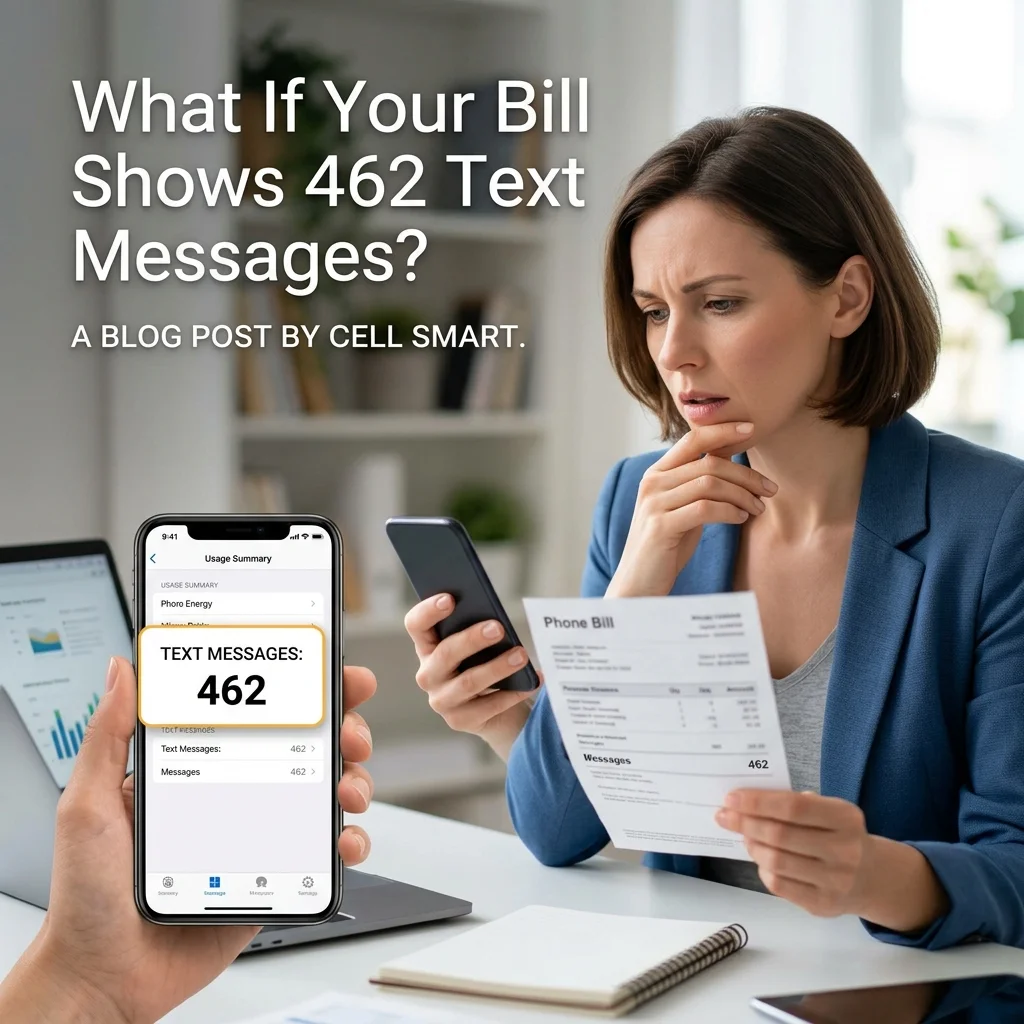
If you see entries for 462 text messages on your T-Mobile bill, this is perfectly normal. Here is what you should understand:
- No Action Required: These entries indicate security alerts or verification codes that were sent to your phone .
- No Additional Charges: System-level messages do not incur additional charges.
- Not a Scam Indicator: The presence of these entries does not mean your phone is compromised.
❓ Frequently Asked Questions
What is a 462 text message?
A 462 text message is a legitimate T-Mobile security alert sent from their official short code. It typically contains a verification code for two-factor authentication or a password reset confirmation .
Is 462 a scam text?
No, the 462 text itself is not a scam. T-Mobile uses it for official alerts. However, scammers exploit this trusted number by calling you and asking you to read the code back to them .
Why did I get a text from 462?
You received a text from 462 because someone attempted to log into your T-Mobile account, reset your password, or make a significant change to your account settings . If you didn’t initiate any of these actions, someone else may have your login credentials.
Can I stop receiving texts from 462?
Since these messages are classified as essential security and transactional alerts, you cannot opt out of the 462 short code using the “STOP” keyword. T-Mobile is required to notify you of major account changes .
What should I do if I get a 462 text without requesting one?
If you receive an unexpected 462 text message, do not share the code with anyone. Log into your T-Mobile account immediately through the official app or website and change your password. This may indicate that someone has your login credentials and is attempting to access your account .
Is 462 an official T-Mobile number?
Yes, 462 is an official short code used by T-Mobile for sending high-priority security and account alerts to its customers .
What happens if I accidentally share my 462 code?
If you accidentally share your 462 code, act quickly. Log into your T-Mobile account immediately and change your password. Contact T-Mobile support at 611. They can lock your account and add extra security measures. Monitor your account for suspicious activity.
✅ Conclusion
The 462 text message is a legitimate T-Mobile security tool, primarily used for two-factor authentication and account verification. While the code itself is reliable, its security purpose makes it a prime target for phishing scams. Scammers call you, claim to be from T-Mobile, and ask you to read back the verification code they triggered. If you provide it, they can take over your account .
Protect your T-Mobile account by refusing to share the 462 code with anyone who calls you, even if they claim to be T-Mobile support. Remember the golden rule: if you didn’t initiate the action, treat the message with suspicion. Secure your account immediately by changing your password. Stay informed, stay secure, and always trust your instincts. When something doesn’t feel right, it probably isn’t.

Mr. Abdullah is a passionate writer who creates engaging, helpful, and easy-to-understand content for readers. He enjoys sharing fresh ideas, useful insights, and inspiring stories through MessageWritingHub.