📱 You glance at your phone and see a text from an unfamiliar number: 24255. You weren’t expecting it, and you’re not sure what it means. Is it a scam? A verification code? Or something from a service you forgot you signed up for?
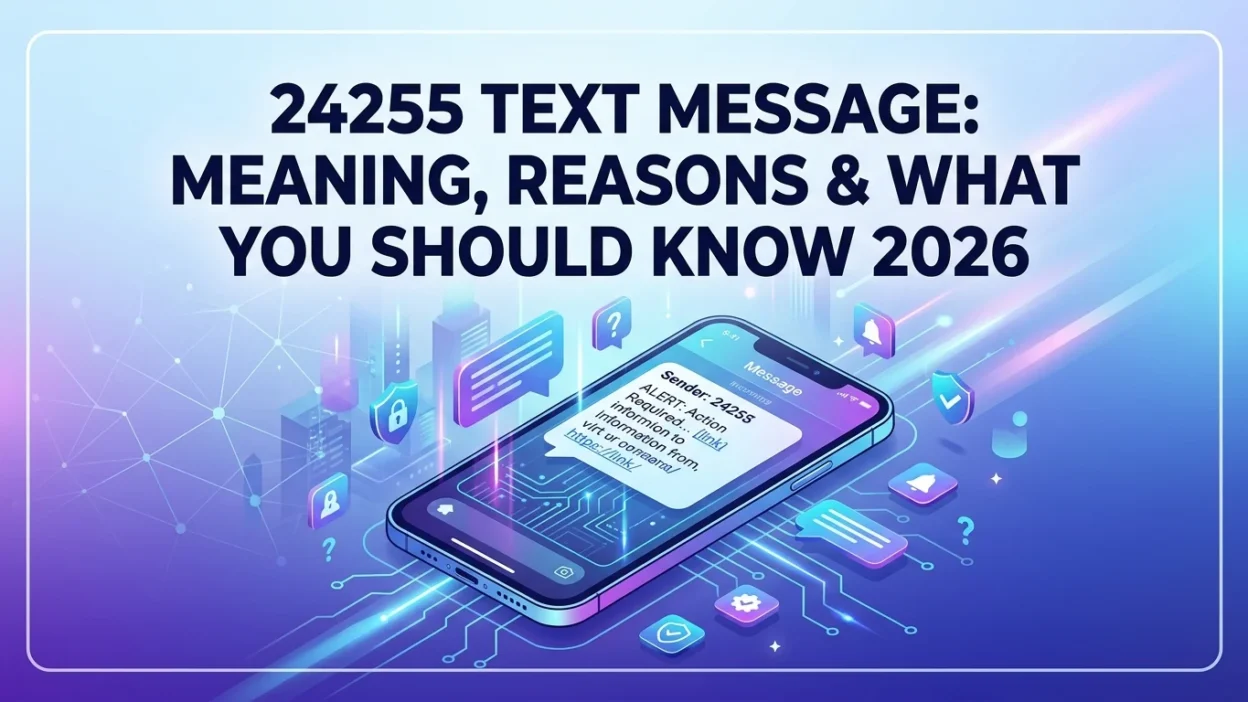
The 24255 text message is Affirm’s official short code . Affirm is the “Buy Now, Pay Later” company that lets you split purchases into installment payments. This guide explains everything you need to know about the 24255 short code, why you might receive messages from it, and how to distinguish legitimate texts from scams.
📌 What Is the 24255 Short Code?
The number 24255 is a dedicated short code that Affirm uses for SMS communications with its customers . Short codes are 5-6 digit numbers that organizations use for high-volume, automated messaging.
Affirm uses this short code for several important purposes :
- Two-factor authentication codes — when someone logs into an Affirm account
- Purchase confirmations — transaction alerts after completing a Buy Now, Pay Later checkout
- Payment reminders — upcoming due dates and charge notifications
- Virtual card alerts — when a merchant tries to charge an old one-time Affirm card
- AT&T billing — payment confirmations, billing reminders, or account updates for mobile customers
The code itself is legitimate, but scammers can mimic it . Knowing the difference between a real message and a scam is essential for your safety.
📱 What Types of Messages Does 24255 Send?
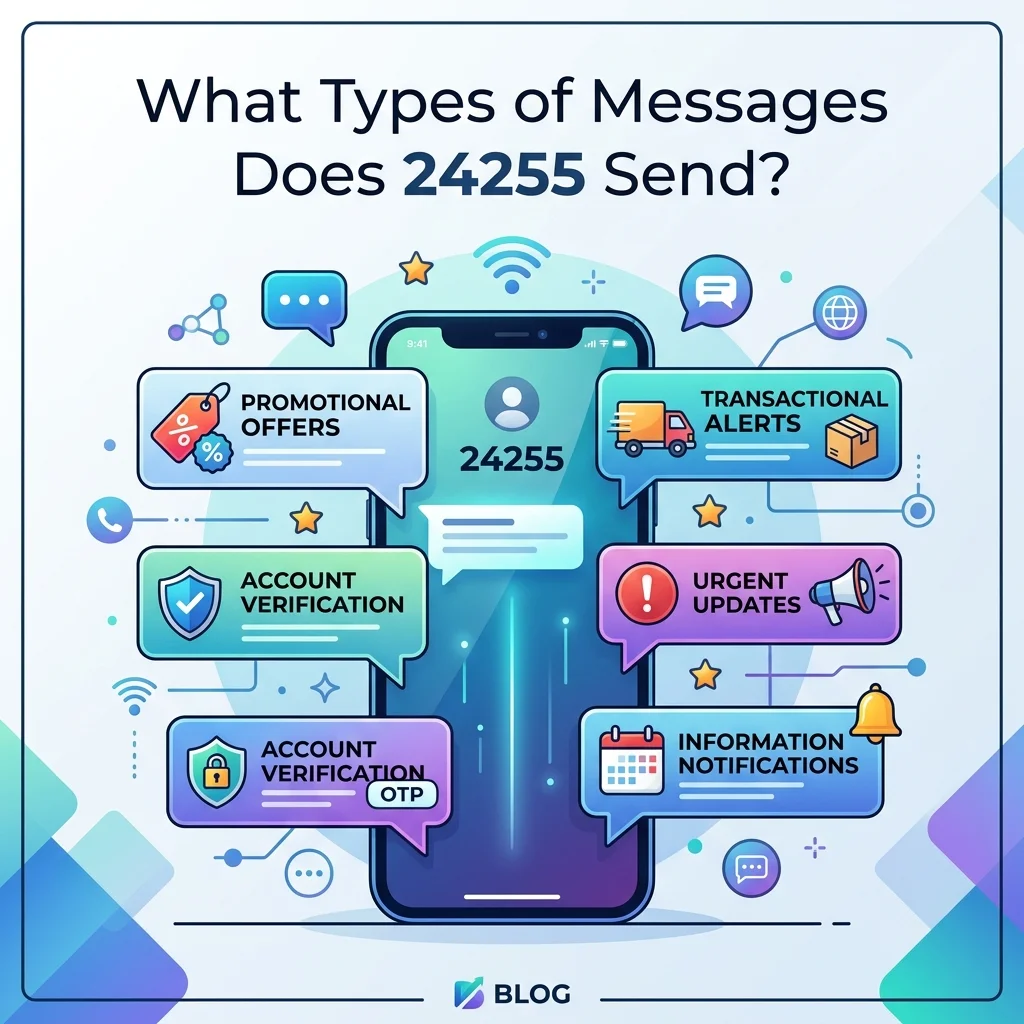
When you receive a 24255 text message, it typically falls into one of these categories:
Verification Codes (2FA)
Affirm sends verification codes from 24255 when someone tries to log into an Affirm account using your phone number. These messages usually say something like: “Affirm.com: Your code is 263235. DO NOT share it. We’ll never call or text to ask you for it.”
Purchase Confirmations
After you complete a Buy Now, Pay Later checkout using Affirm, you may receive a confirmation message from 24255. These messages typically include transaction details and payment information.
Payment Reminders
Affirm sends text reminders from 24255 when payments are due. These notifications help you avoid late fees and stay on top of your payment schedule .
Virtual Card Alerts
One of the more confusing reasons people receive 24255 messages involves virtual card notifications. If you ever created a one-time virtual card through Affirm, that card stays in their system . Months later, when a merchant tries to charge it for a subscription renewal, 24255 sends you an alert—even if you haven’t opened the Affirm app in ages.
AutoPay Notifications
When you enable AutoPay for an Affirm purchase, the system sends confirmation messages from 24255. These messages confirm your payment method and schedule .
🔒 Is 24255 a Scam?
The short code itself is legitimate. However, the threat level is moderate because scammers can craft convincing fake messages that appear to come from Affirm .
How to Identify Legitimate Messages
- Verification code you requested → safe, standard security protocol
- One unexpected code → likely harmless, someone mistyped their number
- Routine transaction or payment messages → informational, no action required
When to Be Suspicious
- Multiple unexpected codes → suspicious, possible account takeover attempt
- Message asks for passwords or personal info → scam
- Message pressures you into clicking a link → scam
- Message uses urgent language → scam
Important Safety Rule
Affirm will never ask for passwords, Social Security numbers, or full account numbers via text . Real Affirm messages only contain verification codes or transaction summaries—never requests for login credentials.
🚨 One Code vs. Multiple Codes
The number of codes you receive matters significantly.
A Single Unexpected Code
If you receive a single verification code from 24255 when you haven’t done anything, it usually means someone mixed up their phone number during an Affirm checkout. They’ll realize the error when the code doesn’t arrive at their actual phone. You can safely ignore it .
Multiple Codes Within Minutes
Multiple codes within minutes is different. Attackers use automated tools to repeatedly trigger 2FA codes—a technique security experts call “MFA fatigue” . They’re counting on you to either click “approve” out of annoyance or call a fake support number they provide.
If you receive multiple unexpected codes, this could be a sign that someone is actively trying to break into your account.
🛡️ How Smishing Attacks Use 24255
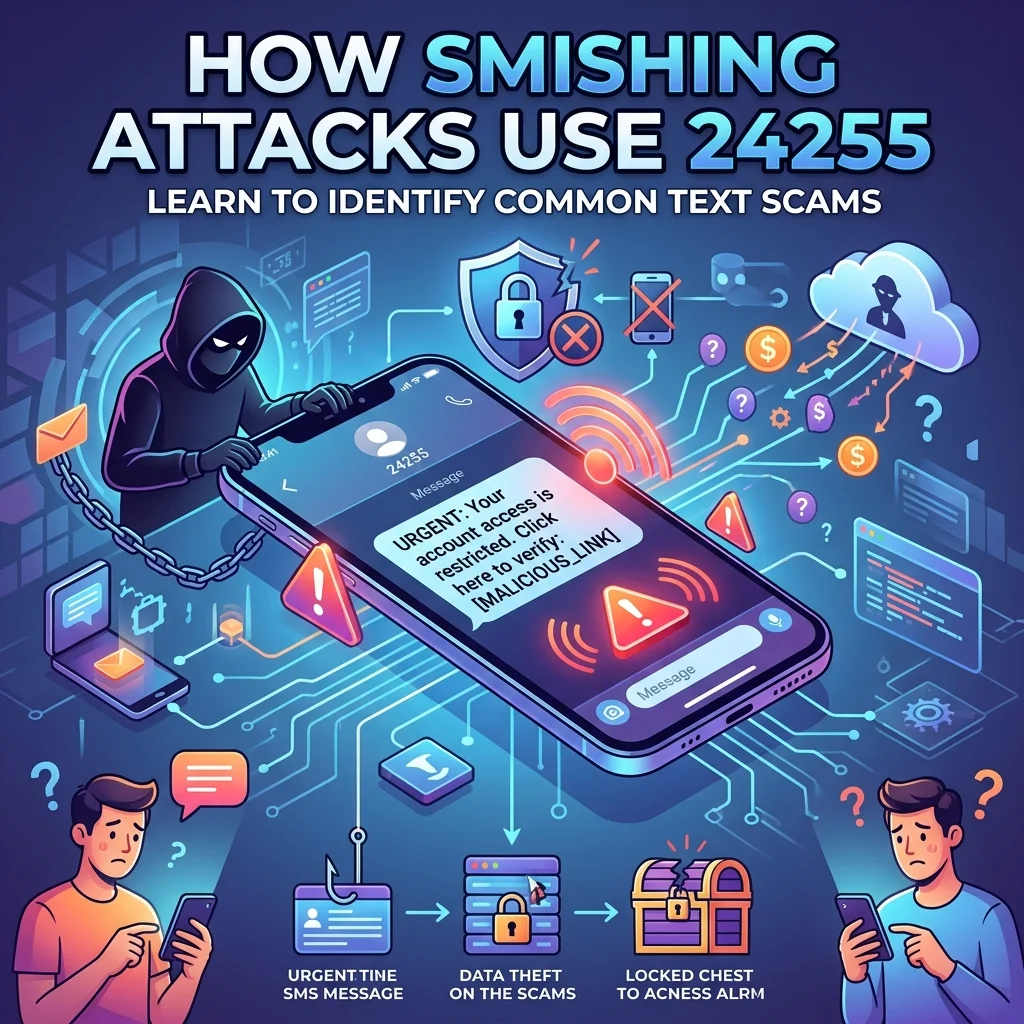
Scammers can’t easily spoof the actual short code, but they can craft convincing fake messages that appear to come from Affirm . These messages include links to phishing websites designed to steal your login credentials, credit card numbers, or personal information.
The fake sites look nearly identical to the real Affirm login page. You enter your username and password thinking you’re securing your account—but you’ve just handed your credentials to criminals .
How to Spot a 24255 Phishing Scam
- Links: Official messages use affirm.com or att.com. Phishing attempts use bit.ly/random, aff1rm.com, or affirm-verify.net.
- Requests: Official messages contain verification codes or payment summaries. Phishing attempts ask for passwords, SSN, or bank details.
- Tone: Official messages are informational. Phishing attempts use urgent or threatening language .
❓ What to Do If You Receive a 24255 Message
Scenario 1: You Requested a Verification Code
If you’re actively trying to log into Affirm and receive a verification code, enter it into the app or website. Do not share it with anyone .
Scenario 2: You Receive a Single Unexpected Code
If you receive one code without requesting it, someone likely entered your number by mistake. Ignore the code and don’t share it. No further action is needed .
Scenario 3: You Receive Multiple Unexpected Codes
If you receive several codes in quick succession, this could be an account takeover attempt. Do not approve any requests. Log into your Affirm account directly (not through the text message) and change your password .
Scenario 4: The Message Seems Suspicious
If the message asks for personal information, contains suspicious links, or pressures you to act urgently, treat it as a scam attempt. Do not click any links or share any information. Report the message to your carrier by forwarding to 7726 (SPAM) .
📋 How to Stop Receiving 24255 Messages
If you are receiving too many messages from 24255, there are several ways to stop them.
Method 1: Adjust Affirm Notification Settings
Log into your Affirm account and navigate to your notification preferences. From there, you can manage which types of notifications you receive via SMS.
Method 2: Text “STOP” to 24255
You can unsubscribe from promotional messages by replying “STOP” to 24255. However, this may not stop essential notifications like payment reminders or security alerts.
Important Note
You cannot opt out of essential security notifications like 2FA codes. These are critical for account protection. However, you can unsubscribe from promotional and non-essential messages.
❓ Frequently Asked Questions
What is 24255?
24255 is a short code that Affirm uses for SMS communications. Affirm is the “Buy Now, Pay Later” company. The code is also used by AT&T for carrier billing notifications .
Why did I get a text from 24255?
You received a text from 24255 because Affirm sent you a notification or verification code. This could be a purchase confirmation, payment reminder, virtual card alert, or two-factor authentication code .
Is 24255 a scam text?
The number itself is legitimate. However, scammers can spoof numbers or send fake messages that appear to come from 24255. Always check the content before taking action .
What should I do if I get an unexpected verification code from 24255?
Do not share the code with anyone. If it’s a single code, someone likely entered your number by mistake. If you receive multiple codes, log into your Affirm account and change your password immediately .
Does Affirm ever ask for personal information via text?
No. Affirm will never ask for passwords, Social Security numbers, or full account numbers via text. Real messages only contain verification codes or transaction summaries .
Can I block the 24255 short code?
Blocking 24255 is not recommended, as it could prevent you from receiving important security notifications and payment reminders. Instead, manage your notification preferences through your Affirm account.
How do I report a suspicious 24255 message?
Report suspicious messages to your carrier by forwarding to 7726 (SPAM). You can also report scams to Affirm directly through their official support channels .
✅ Conclusion
The 24255 text message is Affirm’s official short code used for two-factor authentication, purchase confirmations, payment reminders, and virtual card alerts . While the code itself is legitimate, scammers can craft convincing phishing messages that appear to come from Affirm . Never share verification codes, never click suspicious links, and never provide personal information in response to a text.
If you receive an unexpected verification code, someone likely entered your number by mistake. If you receive multiple codes, it could be an account takeover attempt—log into your Affirm account and change your password immediately . With this knowledge, you can confidently handle any 24255 text message you receive.

Mr. Abdullah is a passionate writer who creates engaging, helpful, and easy-to-understand content for readers. He enjoys sharing fresh ideas, useful insights, and inspiring stories through MessageWritingHub.