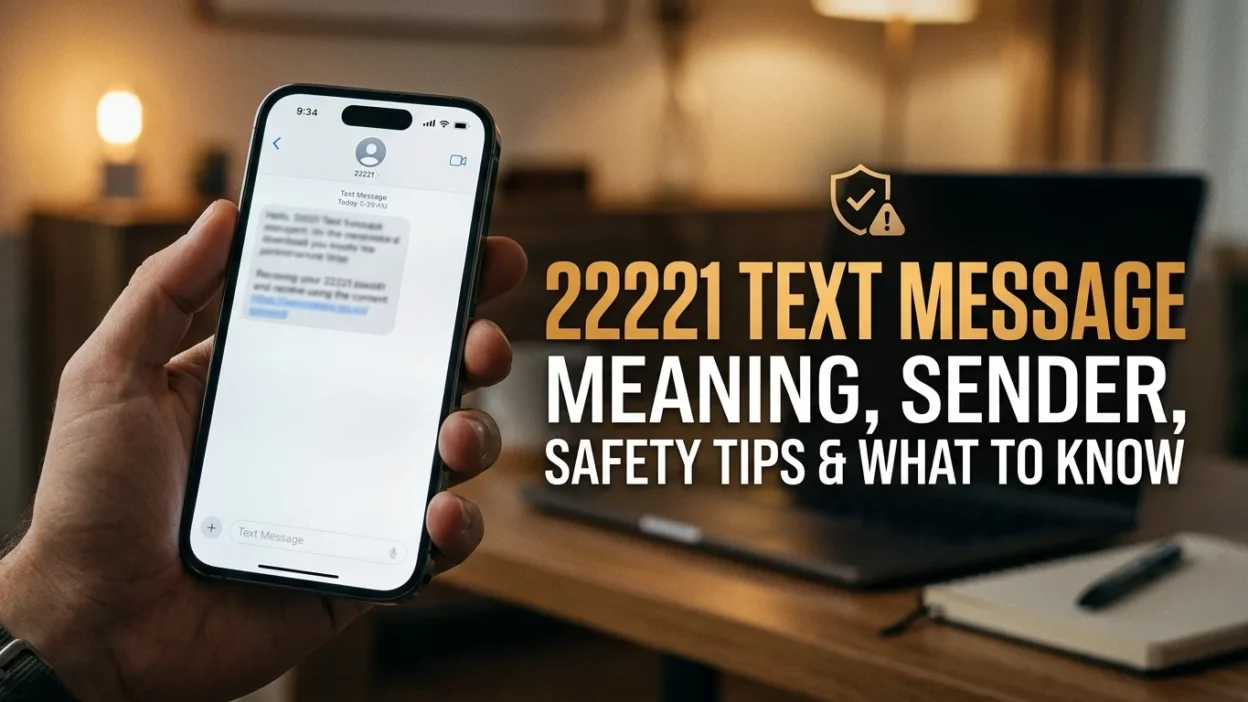
Getting a text from a five-digit number like 22221 usually raises an immediate question: is this legitimate, or is it spam? The answer isn’t always straightforward. A 22221 text message typically comes from a registered short code used by businesses and services to send automated alerts, but the context of the message matters enormously. Without knowing who’s behind the code, it’s hard to tell whether you’re looking at a routine notification or something more concerning.
This guide walks through what the 22221 short code is, why you might be receiving messages from it, and the practical steps to take depending on what the text actually says. By the end, you’ll have a clear framework for deciding whether to engage, ignore, or block the sender.
What Is the 22221 Short Code?
Short codes are five- or six-digit numbers that organizations use to send high-volume SMS and MMS messages to mobile phones. Unlike a standard ten-digit phone number tied to a person or a single line, a short code functions as a broadcast channel. The number 22221 is listed as a registered short code in the United States .
Because it’s registered, it operates within a regulated framework. That means the sender has gone through a verification process with carriers to use the number for business messaging. The short code itself doesn’t reveal the company’s identity, though. You have to look at the message content or use opt-out commands to learn more.
Why You Might Be Receiving Texts from 22221
There are a few common reasons a 22221 message lands on your phone. Each one points to a different kind of sender, and understanding the distinction helps you decide what to do next.
You Opted In to Notifications
Many businesses use short codes to send transactional or promotional messages to customers who have consented to receive them. According to short code directories, 22221 is used for notifications to opted-in users, including deal alerts, coupons, account changes, and time-sensitive updates . If you recently signed up for a service, entered a contest, or created an account that asked for your phone number, the message could be part of that program.
A Service Is Verifying Your Identity
Short codes frequently deliver one-time passwords and verification codes. If you’re trying to log into an app or reset a password and a code arrives from 22221, that’s a normal security step. The code is meant to confirm that the person with access to the phone is the account holder.
Someone Else Used Your Number
It’s also possible that a company obtained your number through a partner, a purchased list, or a data breach. In those cases, you might receive messages from 22221 even though you never knowingly signed up. This is frustrating but not uncommon in the world of automated messaging.
How to Stop Messages from 22221
If you want the texts to stop, the standard approach is straightforward. Reply to the message with STOP. In the United States, carriers require that keywords like STOP, QUIT, CANCEL, UNSUBSCRIBE, or END remove users from a campaign . You can also reply with HELP to get more information about the sender, though that may simply return an automated response rather than a company name .
Blocking the number through your phone’s settings is another option. On both iOS and Android, you can block a short code the same way you’d block a regular number. This prevents future messages from arriving, though it doesn’t necessarily remove you from the sender’s internal list.
When a 22221 Message Might Not Be What It Seems
The short code itself is registered, but that doesn’t guarantee every message is harmless. Scammers sometimes spoof numbers or use lookalike codes to slip past filters. A legitimate 22221 message usually has a clear purpose: a code you requested, an update about a service you use, or a notification tied to an account you own.
Red flags include messages that demand urgent action, ask for sensitive information like passwords or card numbers, or contain links to unfamiliar websites. If the text doesn’t match anything you’ve signed up for and pressures you to click or reply, treat it as suspicious.
Common Mistakes People Make with Short Code Messages
One frequent error is replying with personal information. A verification code should only ever be entered into the app or website that requested it. Sharing it with anyone who texts you is a security risk. Another mistake is assuming that because a number is five digits, it’s automatically safe. Short codes are regulated, but bad actors still find ways to abuse them.
People also tend to ignore the opt-out instructions. If you don’t want the messages, replying STOP is faster and more effective than letting them pile up while you search for a customer service number. Finally, don’t forward the message to friends or post screenshots with your phone number visible. Even a short code message can expose personal details.
What Makes a 22221 Message Different from a Regular Text
A standard text comes from a person you know, or at least from a ten-digit number you can call back. A 22221 message comes from an automated system. You can’t have a conversation with it, and replies are usually parsed as commands rather than read by a human.
Because short codes are built for one-way or command-based communication, the etiquette is different. You don’t need to reply politely or explain why you’re unsubscribing. A single keyword is enough. And if the messages keep coming after you’ve opted out, that’s a sign to block the number and move on.
Frequently Asked Questions
Is 22221 a scam number?
Not inherently. It’s a registered short code used by legitimate businesses for notifications and verification . However, scammers can spoof numbers, so the content of the message matters more than the number itself. If a 22221 text asks for personal information or urges you to click a suspicious link, don’t engage.
Why did I get a text from 22221 if I never signed up?
Your number may have been added to a list through a partner service, a purchase, or a data leak. Some companies also send messages to numbers obtained from third-party sources. Replying STOP is the quickest way to get removed.
How do I know which company is texting me from 22221?
The message itself should identify the sender. If it doesn’t, try replying HELP. If that doesn’t clarify things, search the exact message text online or check your recent sign-ups. You can also contact your carrier, though they may not have detailed information about specific campaigns.
Can I reply to a 22221 message?
You can, but keep it to standard commands like STOP or HELP. Replying with anything else usually won’t reach a person and may even confirm that your number is active. If you need to contact the company, look up their official customer service channel instead.
What happens if I reply STOP to 22221?
You should receive a confirmation message and stop getting texts from that campaign. If messages continue after a reasonable period, block the number through your phone settings and report it to your carrier.
Is it safe to click links in a 22221 text?
Only if you’re confident about the sender and expecting the message. When in doubt, don’t click. Open the company’s official website or app directly instead of following a link from an unfamiliar text. This habit protects you from phishing attempts that mimic legitimate notifications.
Conclusion
A 22221 text message is most likely a routine automated notification from a registered short code. It could be a verification code, an account alert, or a promotional message from a service you’ve interacted with. The number itself is legitimate, but the context of the message is what determines whether you should engage.
If you want the messages to stop, reply STOP and block the number if necessary. If the message asks for personal information or pushes you toward unfamiliar links, err on the side of caution. Short codes are a normal part of modern digital communication and understanding how they work makes it easier to handle them without second-guessing every alert.

Mr. Abdullah is a passionate writer who creates engaging, helpful, and easy-to-understand content for readers. He enjoys sharing fresh ideas, useful insights, and inspiring stories through MessageWritingHub.